China Is Winning the eVTOL Race: Inside the May 2026 News Surge from EHang, AutoFlight & Inflync
Laxman Kafle
In this article (2)▼
- Key takeaways - EHang is operating the world's only commercial, ticketed, **fully autonomous** passenger eVTOL service. It started in [Guangzhou](/fly/guangzhou) in March 2026 and is now expanding city by city. - The first **international cross-border eVTOL route** in the world is live: [Shenzhen](/fly/shenzhen) to Hong Kong, 20 minutes, ¥800 one way. - China is the only country whose flagship eVTOL holds **all four CAAC certificates** required for commercial passenger operations (TC + AC + PC + AOC). - [AutoFlight](/companies/autoflight) and **Inflync** are scaling production behind EHang, giving China a second and third revenue-stage eVTOL operator within the next 12 months. - US operators including [Joby](/companies/joby-aviation) and [Archer](/companies/archer-aviation) have type certificates, but no paying US passengers — see the [certification tracker](/evtol-certification-tracker) for the live delta.
- Traveling to China? Book a flight in English
While the United States is still waiting for the first US passenger to buy an eVTOL ticket, China is already on its second commercial route. As of this week, EHang is selling ¥299 (~$41) sightseeing flights in Guangzhou, ¥800 (~$113) cross-border seats from Shenzhen to Hong Kong, and is openly publishing daily flight counts. No other country is even close.
This is a quick, sourced roundup of the China eVTOL story as of May 2026 — what is actually flying, who is paying for it, what the regulators just did, and what to watch next.
Key takeaways - EHang is operating the world's only commercial, ticketed, fully autonomous passenger eVTOL service. It started in Guangzhou in March 2026 and is now expanding city by city. - The first international cross-border eVTOL route in the world is live: Shenzhen to Hong Kong, 20 minutes, ¥800 one way. - China is the only country whose flagship eVTOL holds all four CAAC certificates required for commercial passenger operations (TC + AC + PC + AOC). - AutoFlight and Inflync are scaling production behind EHang, giving China a second and third revenue-stage eVTOL operator within the next 12 months. - US operators including Joby and Archer have type certificates, but no paying US passengers — see the certification tracker for the live delta.
1. EHang's Guangzhou commercial service is now routine
When the world's first commercial ticketed eVTOL passenger service launched in Guangzhou in March 2026, the open question was whether it would survive past the launch press cycle. It has.
The product today:
| Detail | Value |
|---|---|
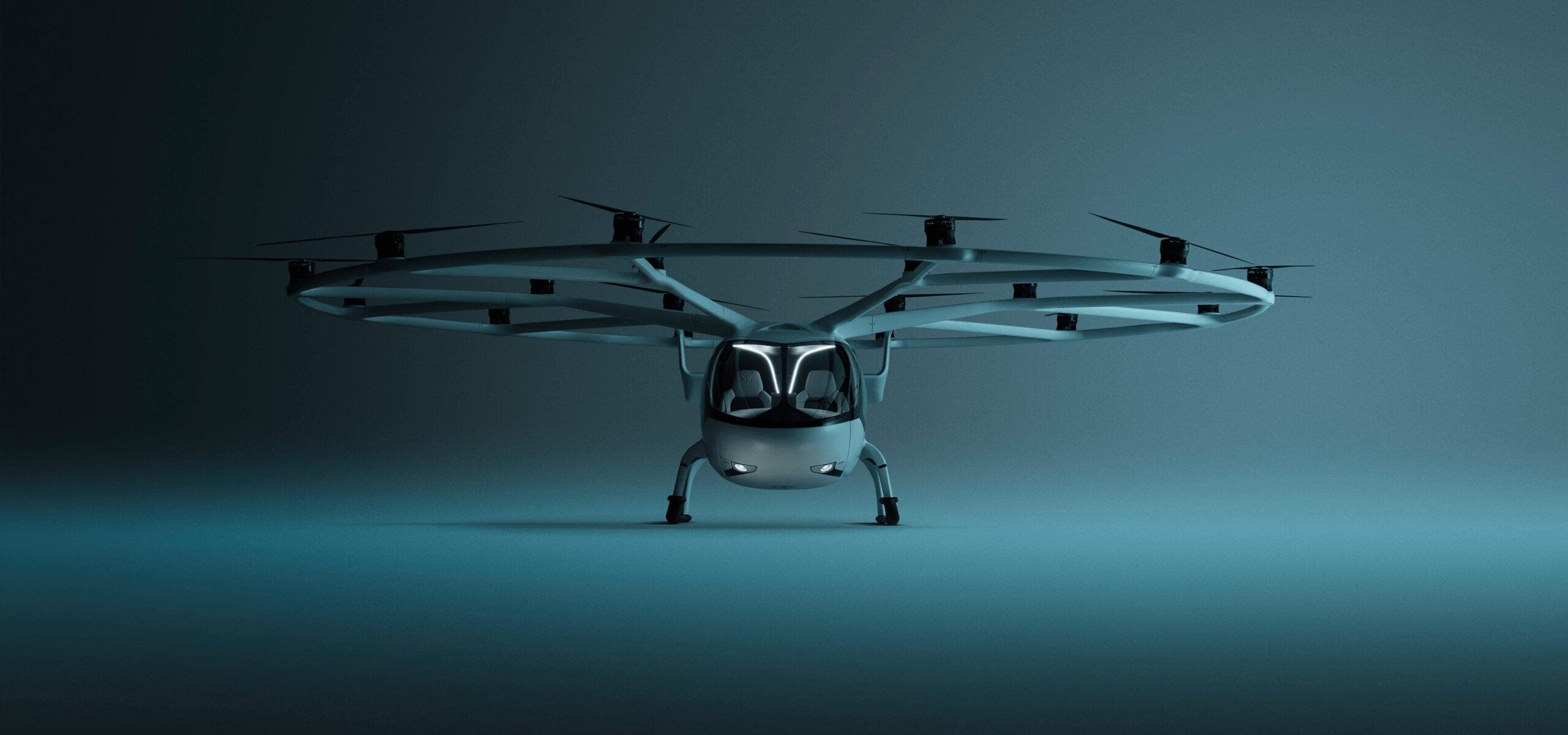
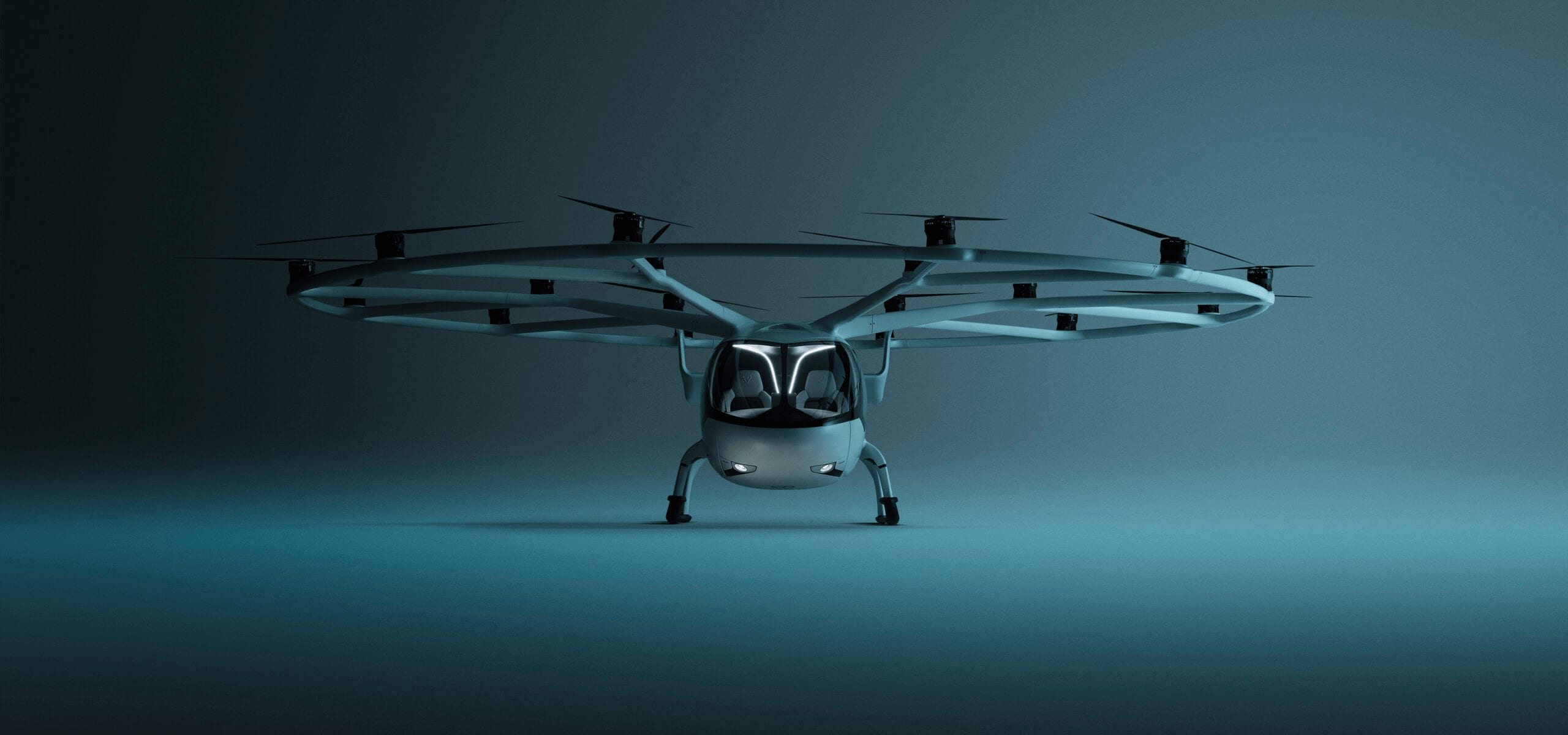
| Aircraft | EH216-S (autonomous, 2-seat, 16 propellers) |
| Vertiport | EHang Future City, Jiulong Lake Park |
| Ticket price | ¥299 (~$41) per seat |
| Booking | EHang Trip app (iOS/Android) or Heyi Aviation WeChat mini-program |
| Flight profile | Scenic aerial loop, ~10 minutes |
| Pilot onboard | None — 5G-linked ground command center |
The pricing — ¥299 — is roughly the cost of a nice meal in a tier-1 Chinese city. That is the single most important number in global eVTOL economics this year, because it is the first time a real consumer has paid a real consumer-grade price for an electric vertical flight. Every other operator on earth is still in demo or charter mode.
Local press in Guangzhou is now treating the EHang flight the same way they would a new theme-park ride — booked up on weekends, available on weekdays, no longer a novelty. That is exactly the adoption signal a category needs to graduate from "futuristic" to "normal."
2. The Shenzhen ↔ Hong Kong cross-border route is the global first
In January 2026, EHang opened the world's first international cross-border eVTOL passenger route, connecting Shenzhen and Hong Kong in roughly 20 minutes. The same trip by car takes 90 minutes plus border-crossing time. By high-speed rail it is 14 minutes once you are on the train, but the train itself runs from specific terminals and adds 30 to 60 minutes of access time on either end.
The cross-border route matters for three reasons:
- It proves bilateral airspace coordination is possible. Hong Kong and mainland China have distinct aviation regulators. Getting both to sign off on a regular passenger service across that boundary is the template every future international urban-air-mobility corridor will copy.
- It validates the city-center value prop. The vertiports sit inside Qianhai (Shenzhen) and a Hong Kong central location — not at airports. That is the design pattern that justifies the price premium.
- It quietly becomes a B2B story. Cross-border business travelers in the Greater Bay Area now have a 20-minute door-to-door option. Operators that want to copy this model in Europe (Geneva ↔ Lyon, Vienna ↔ Bratislava, Brussels ↔ Amsterdam) finally have a working reference.
3. The CAAC certification stack is unmatched
China's Civil Aviation Administration (CAAC) has issued the EH216-S all four certifications required for commercial passenger operations:
| Certification | Date | What it means |
|---|---|---|
| Type Certificate (TC) | October 2023 | The design is safe to fly. |
| Standard Airworthiness Certificate (AC) | December 2023 | Each individual aircraft is airworthy. |
| Production Certificate (PC) | April 2024 | The factory is approved to mass-produce. |
| Air Operator Certificate (AOC) | March 2025 | The operator can carry paying passengers. |
No other eVTOL manufacturer on earth holds the full stack today. Joby received the first US type certificate in June 2026 (the headline of our Q3 2026 State of eVTOL report), but a US passenger still cannot buy a Joby ticket — the production and operator pieces are still in process.
The lesson is not that the FAA is doing it wrong. It is that CAAC structured its certification path around an autonomous, no-pilot aircraft from day one, while the FAA's powered-lift rule (Part 194) was finalized later and only recently. The China timeline starts earlier and converges sooner. See the eVTOL certification tracker for the per-company status.
4. AutoFlight and Inflync are the second wave
EHang is no longer alone. Two other Chinese manufacturers are now moving toward revenue operations:
- AutoFlight — The Prosperity I, a 4-passenger lift-and-cruise eVTOL, has now completed its second production line in Kunshan. AutoFlight is the first Chinese eVTOL maker with a piloted commercial product in active certification, which is important because it gives the country a hedge if the autonomous pathway hits a regulatory speed bump elsewhere.
- Inflync L600 — Inflync completed the first full-scale flight of its L600 eVTOL earlier this year. The L600 is targeting regional intercity routes rather than urban hops, which would fill the obvious gap above EHang and below conventional regional aviation.
China is on track to be the first country with three independently certified revenue-stage eVTOL operators by the end of 2027. No other market is even attempting that today.
5. Why China is ahead — and what it means for the West
The honest answer for why China is ahead of the United States and Europe on revenue eVTOL is not "looser rules." CAAC's airworthiness standards are comparable. What differs is the regulatory cadence and the demand environment:
- Chinese tier-1 cities have huge, dense, congested travel corridors with motivated municipal partners.
- The CAAC certification process is sequential but fast — issues are resolved in months, not years.
- Chinese consumers have accepted autonomous vehicles (robotaxis in Wuhan, Beijing, Guangzhou) earlier than US or EU consumers, which makes a no-pilot eVTOL feel less alien.
What this means for the West is straightforward: the playbook works. Cities like Dubai, Los Angeles, and Singapore that are leaning into early municipal partnerships will be able to copy what China has proven. Cities that wait for everyone else to derisk it first will be 24 to 36 months behind.
What to watch next
- EHang ticket-count disclosures. Daily or weekly flight counts out of Guangzhou are the cleanest demand signal in global eVTOL right now.
- A second cross-border route. Likely candidates: Zhuhai ↔ Macau, or a Greater Bay Area triangulation including Shenzhen, Hong Kong, and Macau.
- AutoFlight Prosperity I commercial debut. Watch for a 2026 H2 announcement.
- First Chinese eVTOL export. EHang has done demonstration flights in Saudi Arabia, Thailand, and UAE. The first international commercial AOC for a Chinese-built aircraft will reset the global competitive map.
If you want to be notified the moment EHang, AutoFlight, or any other eVTOL operator opens passenger sales in your city, join the free verified waitlist. We track every commercial-stage launch in the air taxi hub and link out to per-city launch pages including Guangzhou and Shenzhen.
Traveling to China? Book a flight in English
If you're actually heading to Guangzhou or Shenzhen and want to fly the EH216-S yourself, the entire booking flow lives inside a Chinese-language WeChat mini-program. We wrote the only English step-by-step guide:
- **Book an eVTOL flight in Guangzhou (English guide)** — ¥299 scenic loop, real-name verification, refund policy, vertiport directions.
- **Book an eVTOL flight in Shenzhen, including the Hong Kong cross-border route (English guide)** — ¥800 Shenzhen → Hong Kong, ¥299 Shenzhen Bay loop.
No booking fees, no markup — eVTOL.Travel doesn't process any payment. Everything flows directly between you and Heyi Aviation (合意航空).
Sources: Information sourced from official company announcements, FAA publications, SEC filings, and verified industry reports. For corrections, contact us.
Written by
Laxman Kafle
Founder of eVTOL.Travel — building the independent global directory and verified pre-reservation platform for the urban air mobility era. Tracking every operator, vertiport, and city launch toward 2026.
Continue reading

DW News on eVTOLs: What They Got Right (and the Two Corrections Worth Making)
DW News dropped a tight 2026 eVTOL explainer covering AutoFlight's 10-passenger Matrix, Joby's Dubai 2026 launch, Archer's LA 2028 Olympics deal, and Vertical Aerospace's VX4. The headline timing — 3 years for something more viable, 5–10 years for full-scale rollout — is broadly right. Two factual points are worth correcting for travelers: AutoFlight Matrix is a prototype with no published Chinese type-cert pathway yet, and commercial passenger eVTOL service actually exists today in Guangzhou and Shenzhen on EHang's EH216-S. Here's the line-by-line read.
eVTOL News July 2026: Joby's Toyota JV and Virgin Atlantic Deal, Vertical Slips to 2029, and the World Cup Verdict
July 2026 was the month the eVTOL industry's post-type-certificate era took shape. Joby — fresh off its June FAA type certificate — formed a manufacturing joint venture with Toyota and signed an exclusive UK partnership with Virgin Atlantic covering London and Manchester. Vertical Aerospace pushed VX4 certification from 2028 to 2029. BETA flew the first organ-transport relay under the FAA's eVTOL Integration Pilot Program. And the World Cup closed with the verdict we projected in April: zero commercial eVTOL flights in all 16 host cities. Here's the full roundup.
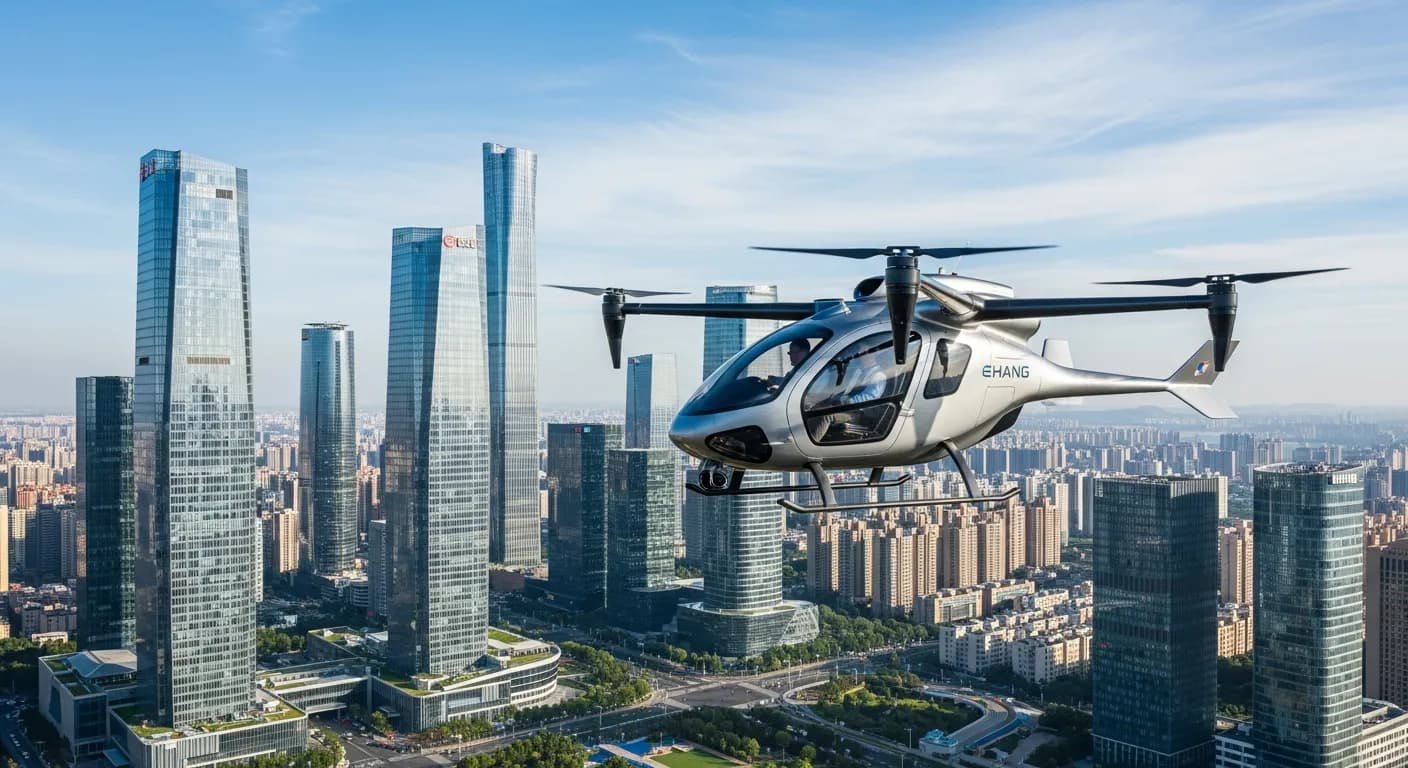
EHang Makes History: The World's First Paid Commercial Air Taxi Flights
While Western eVTOL companies are still pursuing certification, EHang has quietly made history. The Chinese company is now operating paid commercial air taxi flights with paying passengers in multiple cities — a global first.
Ready to explore the future of air travel?
Discover how eVTOL technology is revolutionizing urban mobility and plan your own aerial journey.