EHang Makes History: The World's First Paid Commercial Air Taxi Flights
Laxman Kafle
In this article (7)▼
While the Western media focuses on Joby and Archer's certification timelines, a Chinese company has already crossed the finish line. EHang is operating paid commercial air taxi flights with real, paying passengers in multiple Chinese cities. This isn't a demo. It's a business.
EHang's achievement represents the most significant milestone in the entire eVTOL industry to date — and it happened with remarkably little fanfare in Western markets.
The Milestone Timeline
EHang's path to commercial operations followed a methodical regulatory progression:
| Milestone | Date |
|---|---|
| Type Certificate (CAAC) | October 2023 |
| Production Certificate | April 2024 |
| Air Operator Certificates | March 2025 |
| Commercial flights begin | March 2025 |
That's a 17-month journey from type certification to paying passengers. Compare this to the United States, where Joby Aviation entered Stage 4 of FAA certification in November 2025 and isn't expected to receive full US certification until mid-2027. China's regulatory approach is producing results years ahead of the FAA.
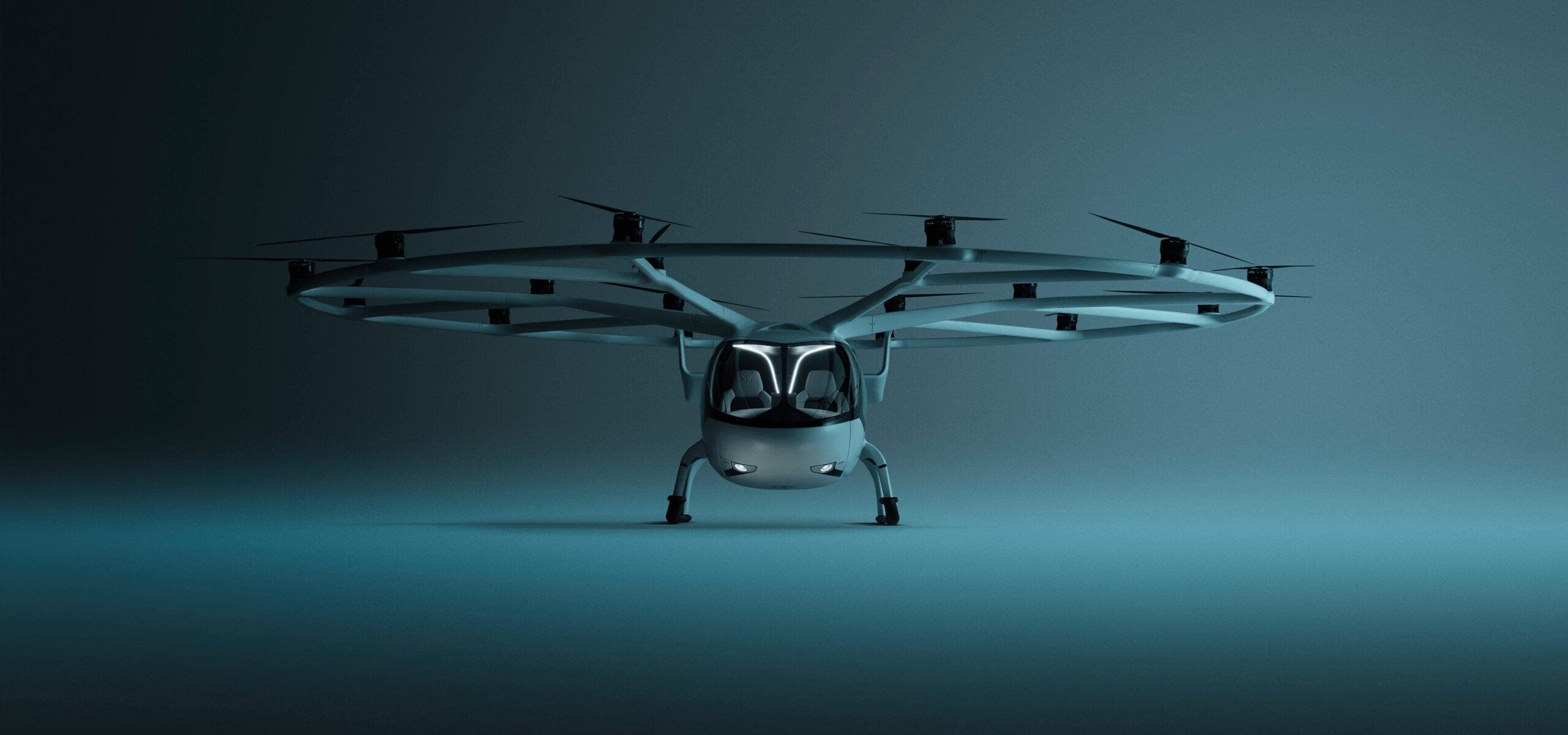
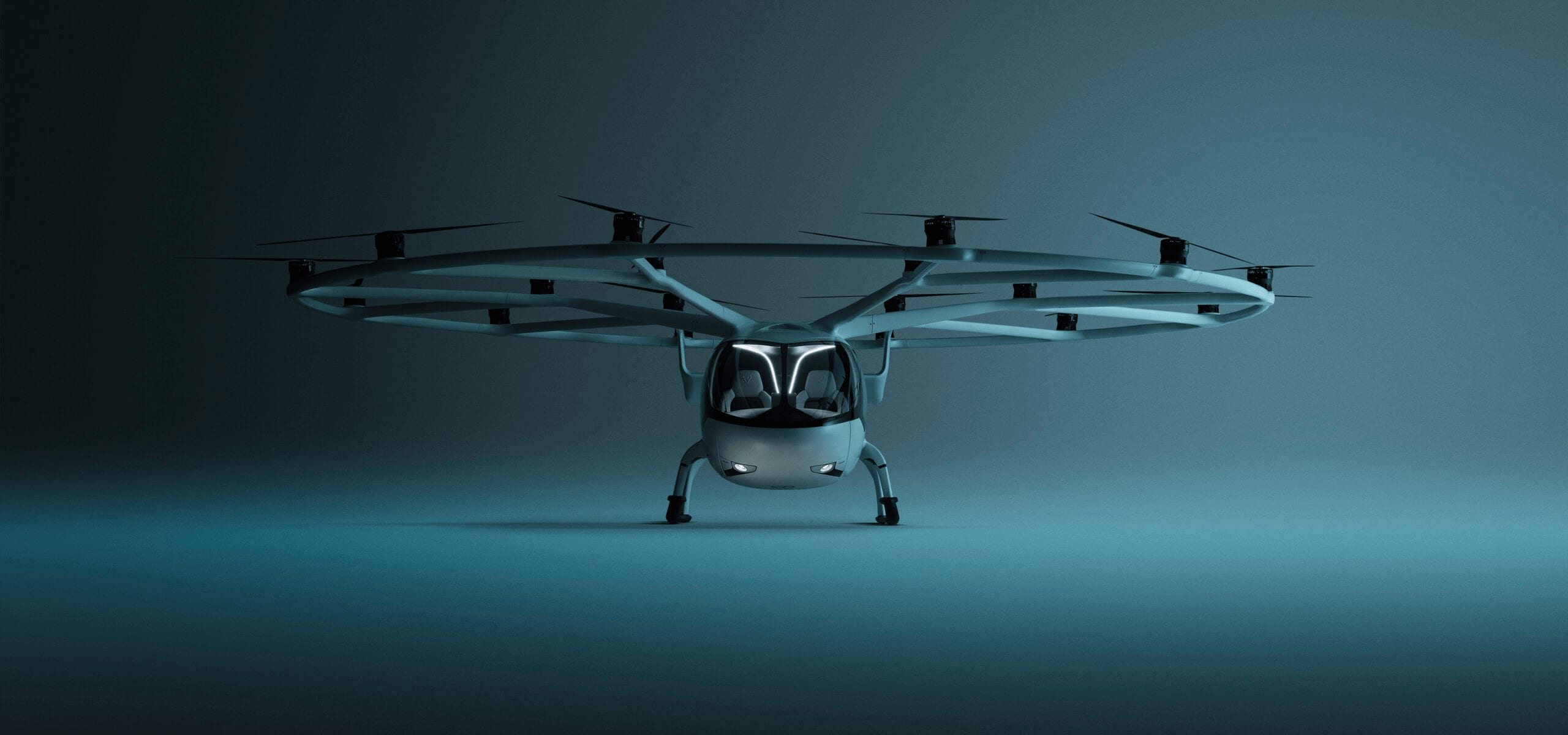
The Aircraft: EH216-S
The EH216-S is unlike anything flying commercially in the West:
| Spec | Detail |
|---|---|
| Passengers | 2 (no onboard pilot) |
| Max Speed | 130 km/h (81 mph) |
| Range | 35 km (22 miles) |
| Propulsion | 16 electric propellers |
| Operation | Fully autonomous |
| Flight Hours | 76,000+ logged |
The most striking detail: there is no pilot onboard. The EH216-S is fully autonomous, supervised by ground-based Multi-Vehicle Supervisors who can monitor and intervene in multiple flights simultaneously. This is the world's first certified autonomous passenger aircraft in commercial service.
Where It's Flying
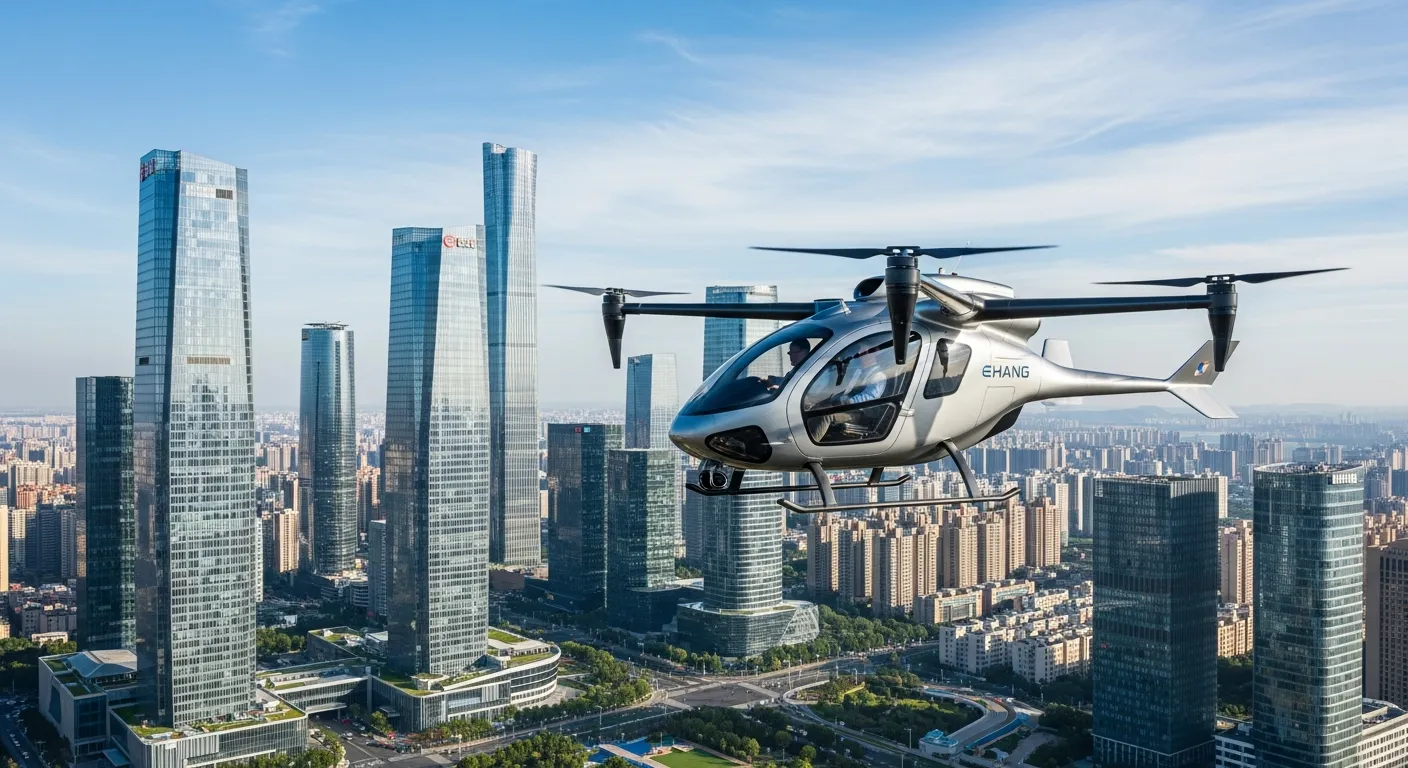
EHang is currently operating commercial flights in four Chinese cities:
- Guangzhou — EHang's headquarters city, primary operations hub
- Hefei — Major technology hub in eastern China
- Shenzhen — China's innovation capital, home to major vertiport developments
- Wencheng — Scenic tourism destination offering low-altitude sightseeing flights
The initial services focus on low-altitude sightseeing tours and urban air transportation — tourists paying for scenic aerial experiences over city landmarks and scenic areas. This is a smart market entry strategy: tourism flights generate revenue, build operational experience, and create public familiarity with eVTOL aircraft in a lower-risk environment.
What's Next: The VT-35
EHang isn't standing still. The company has submitted a CAAC certification application for its next-generation aircraft, the VT-35:
| Spec | EH216-S | VT-35 |
|---|---|---|
| Passengers | 2 | 5 |
| Range | 35 km | 200 km |
| Speed | 130 km/h | 216 km/h |
| Design | Multi-rotor | Lift-and-cruise |
The VT-35 represents a major leap — a 5-passenger, 200 km range aircraft that could serve genuine urban transportation routes, not just tourism flights. If certified on EHang's current timeline, the VT-35 could be operational by 2027-2028.
International Expansion
EHang is aggressively expanding beyond China:
- Thailand: Conducted demonstration flights in Bangkok (November 2025) with Thai aviation regulators onboard — a strong signal of regulatory interest
- Saudi Arabia: Trial flights for Hajj pilgrims (November 2024), exploring religious tourism and city transportation applications
- UAE: Multiple discussions for Dubai and Abu Dhabi operations
- Southeast Asia: Partnerships in development across the region
The international strategy leverages countries with regulatory environments more open to Chinese-certified aircraft, building a global network before attempting the more complex FAA or EASA certification processes.
What This Means for the Global Race
EHang's commercial operations create an uncomfortable reality for Western eVTOL companies and regulators:
China is 2+ years ahead. While Joby and Archer are still in certification testing, EHang is collecting revenue, accumulating operational data, building maintenance expertise, and refining its autonomous systems with real-world flights.
Autonomous first. The Western approach assumes piloted operations initially, with autonomy coming later. EHang skipped straight to autonomous — and it's working. Wisk Aero (Boeing's subsidiary) is pursuing a similar autonomous strategy in the US but isn't expected to certify until 2028-2030.
Regulatory competition matters. China's CAAC certified the EH216-S in under two years. The FAA process for comparable aircraft is expected to take 5-7 years. This gap isn't just about speed — it's about which country's companies will dominate the global air taxi market.
The data advantage is real. Every commercial flight EHang operates generates data on passenger behavior, battery performance, weather impacts, maintenance patterns, and autonomous system reliability. By the time Western competitors begin commercial operations, EHang will have years of operational data that cannot be replicated in testing.
The Bigger Picture
EHang's achievement should be a wake-up call. The eVTOL certification race isn't just about who has the best aircraft — it's about who gets to fly first, learn first, and scale first.
The Aviation Innovation and Global Competitiveness Act introduced in Congress explicitly acknowledges this competitive dynamic. The bill's title includes "Global Competitiveness" for a reason — the United States risks losing the urban air mobility race not because of inferior technology, but because of slower regulation.
For travelers, EHang's success is encouraging regardless of nationality. It proves that eVTOL aircraft can operate commercially, safely, and at scale. The question isn't whether air taxis will work — it's how quickly they'll reach your city. Join the waitlist to be ready when they do.
Sources: Information sourced from official company announcements, FAA publications, SEC filings, and verified industry reports. For corrections, contact us.
Written by
Laxman Kafle
Founder of eVTOL.Travel — building the independent global directory and verified pre-reservation platform for the urban air mobility era. Tracking every operator, vertiport, and city launch toward 2026.
Continue reading
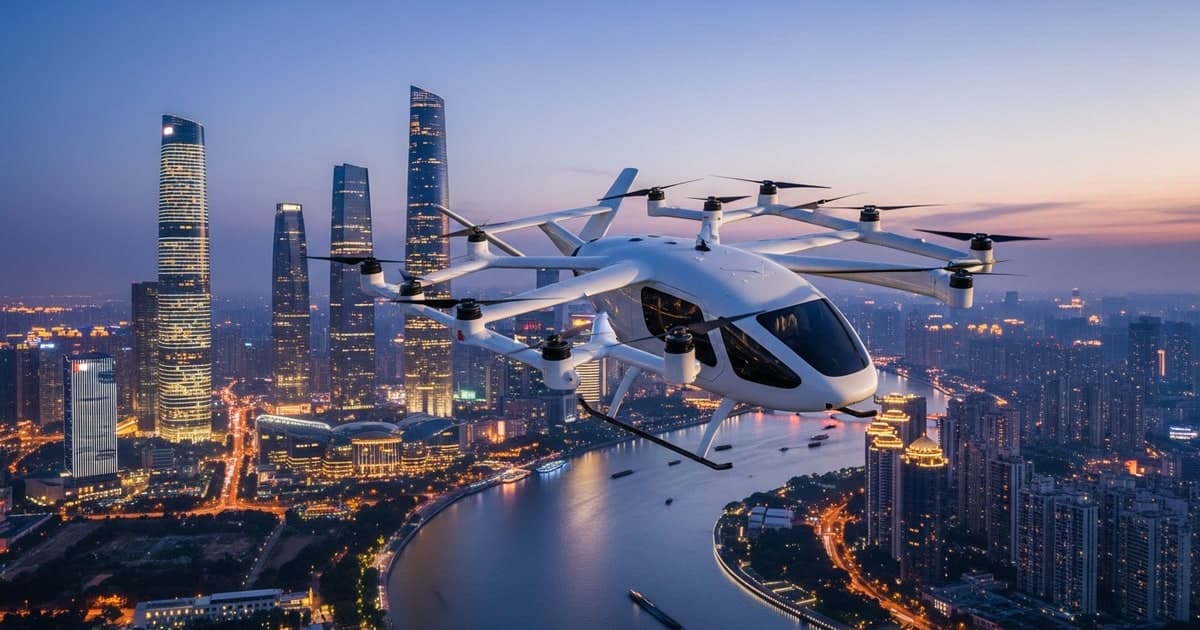
China Is Winning the eVTOL Race: Inside the May 2026 News Surge from EHang, AutoFlight & Inflync
Five things matter about China's eVTOL surge right now: paying passengers in Guangzhou, a working Shenzhen–Hong Kong cross-border route, all four CAAC certifications on the EH216-S, AutoFlight's expanding Prosperity I production, and a regulatory machine that is moving faster than the FAA or EASA. Here is the May 2026 roundup.
Dubai Air Taxi Launch Countdown: Joby's Q2 2026 Commercial Service Is Weeks Away
Dubai is on the verge of becoming the first city outside China to offer commercial eVTOL air taxi service. Joby Aviation's Q2 2026 launch with the Dubai RTA is now weeks away, with vertiport construction complete, Uber integration confirmed, and pilot training underway. Here's everything you need to know.
Joby Aviation's First FAA-Conforming Aircraft Takes Flight: Dubai Launch On Track for Q2 2026
Joby Aviation flew its first FAA-conforming production-intent aircraft on March 11, 2026 — the most significant flight test milestone in US eVTOL history. Combined with its FAA eIPP selection and Dubai RTA partnership, Joby is on track for the world's first Western commercial air taxi service by Q2 2026.
Ready to explore the future of air travel?
Discover how eVTOL technology is revolutionizing urban mobility and plan your own aerial journey.