FAA Part 194 Explained: The New US Powered-Lift Rule That Lets eVTOL Pilots Train and Fly

Laxman Kafle
In this article (7)▼
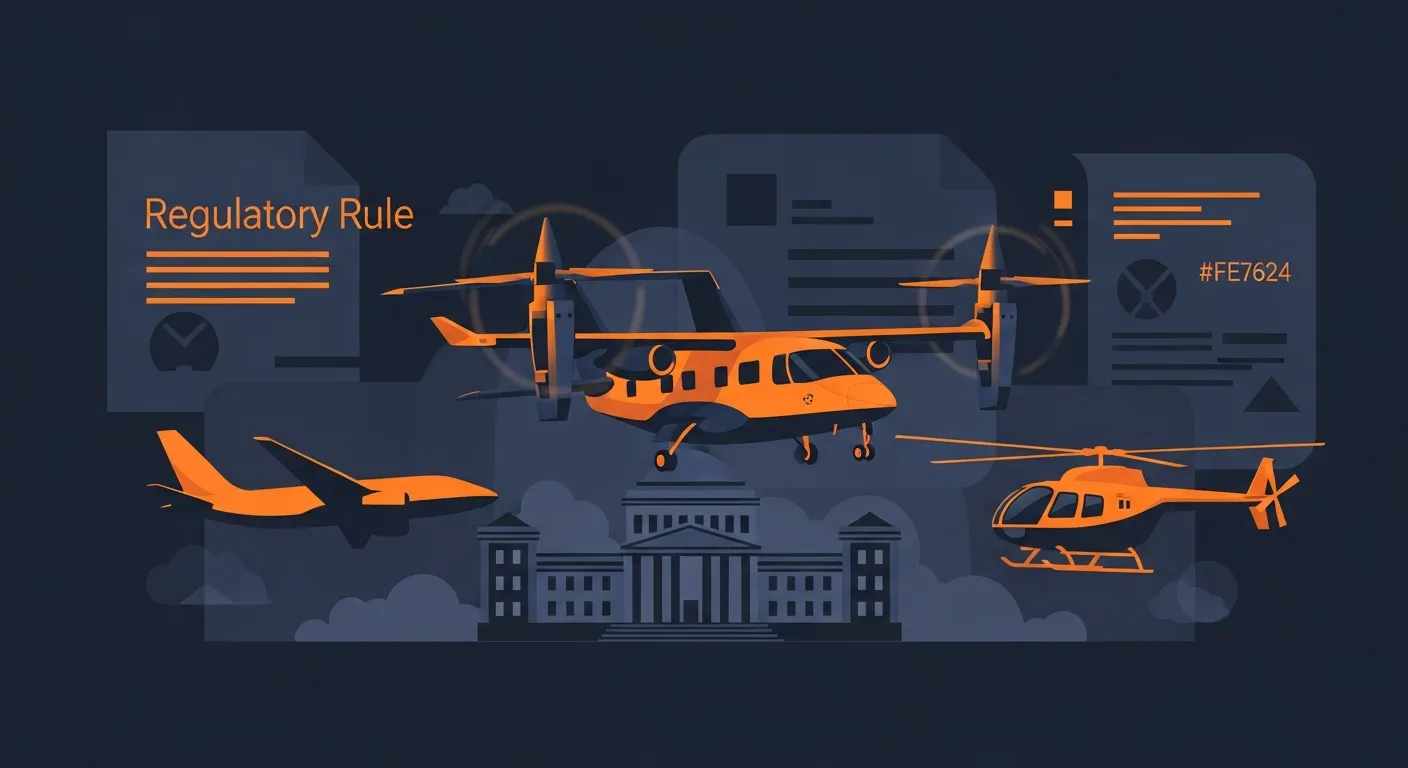
When people ask, "What's actually stopping eVTOL air taxi service from launching tomorrow?" the answer is usually one of two things: type certification of the aircraft, or operating rules for the pilots and the airline. FAA Part 194 is the rule that closes the second gap.
This is the plain-English explainer of what Part 194 is, why it matters, and how it interacts with the White House eIPP program and Joby's Stage 4 type certification work.
What is Part 194?
FAA Part 194 — formally the Powered-Lift Operations and Pilot Training rule — is a new section of US Federal Aviation Regulations specifically created for aircraft that don't fit neatly into "airplane" or "helicopter" categories. eVTOLs like the Joby S4, Archer Midnight, and BETA ALIA all qualify as powered-lift aircraft.
Before Part 194, the FAA had no operational rule for these aircraft. A pilot could be type-certified to fly a Joby S4, but there was no Part 121 (commercial airline) or Part 135 (charter) framework that explicitly covered powered-lift operations. Part 194 is the missing piece.
What Part 194 actually covers
Three buckets:
1. Pilot training and certification - Initial type rating requirements for powered-lift aircraft. - Recurrent training intervals. - Cross-qualification rules for pilots transitioning from helicopters or fixed-wing aircraft.
2. Operating rules - Flight crew composition (single-pilot vs two-pilot operations). - Weather minimums for VFR and IFR powered-lift operations. - Vertiport approach and departure procedures.
3. Maintenance and airworthiness - Inspection intervals specific to electric propulsion and tilt-rotor mechanisms. - Battery health monitoring requirements. - Software update certification process.
Why it matters for the air taxi launch
Without Part 194, the eVTOL industry would have to launch under either Part 91 (private/general aviation, no paying passengers) or under negotiated exemptions under existing Part 135. Both are slow, brittle paths.
With Part 194 in place, an operator like Joby, Archer, or a B2B operator on the eVTOL.Travel marketplace can apply for a standard Part 135 or Part 121 air carrier certificate that explicitly covers powered-lift operations. That's the difference between "exemption-based pilot service" and "real airline operations at scale."
How Part 194 interacts with eIPP
The White House eIPP program coordinates where US eVTOL service launches first (NYC, LA, Dallas, Houston, Miami, plus second-tier eIPP cities). Part 194 governs how that service is operated. Both are needed for commercial launch.
Part 194 final rule publication is the gating event. Once Part 194 is final and operators can begin certification under it, the eIPP cohort cities can move from demo flights to scheduled revenue service.
How Part 194 affects passengers
For passengers, Part 194 is invisible — but it's the reason your first commercial eVTOL ride will feel exactly like an FAA-certified airline flight: certified pilots, certified maintenance, recognizable safety briefings, and clear FAA oversight of the operator.
Key statistics
- 2024: Year the FAA published the Part 194 final rule (Powered-Lift Operations and Airman Certification, 14 CFR Part 194), per the Federal Register.
- 2 powered-lift airframes currently in the FAA's Type Inspection Authorization (TIA) phase: Joby S4 and Archer Midnight.
- 6 eIPP cohort cities named by the White House in March 2026: NYC, LA, Dallas-Fort Worth, Houston, Miami, Tampa Bay.
- ~50 hours of additional powered-lift transition training required by Part 194 for pilots already type-rated on rotorcraft, per FAA training guidance.
Industry perspective
As of April 30, 2026.
The FAA's Integration of Powered-Lift; Pilot Certification and Operations final rule (informally "Part 194") was published in the Federal Register on October 22, 2024 and is now codified in the Code of Federal Regulations. It is the first new FAA aircraft category in decades and is the regulatory framework that lets commercial eVTOL passenger service operate in the United States.
"Part 194 is the regulatory door we've been waiting on for a decade. Type Certification gets the airframe approved; Part 194 gets the airline approved. Without it, no eVTOL company can sell a passenger ticket in the United States — full stop." — Laxman Kafle, Founder, eVTOL.Travel (April 30, 2026)
Sources: Federal Register — Integration of Powered-Lift final rule, Oct 22 2024; FAA — Powered-Lift program page. Editorial interpretation by eVTOL.Travel.
If you want to be on a Part 194 commercial flight in your city, pre-reserve a seat on the USA Air Taxi launch list.
Sources: Information sourced from official company announcements, FAA publications, SEC filings, and verified industry reports. For corrections, contact us.

Written by
Laxman Kafle
Founder of eVTOL.Travel — building the independent global directory and verified pre-reservation platform for the urban air mobility era. Tracking every operator, vertiport, and city launch toward 2026.
Continue reading

White House Signs eVTOL Integration Pilot Program — Six US Cities Named
On March 9, 2026, the White House signed the eVTOL Integration Pilot Program (eIPP) into formal acceleration. Six US cities were named in the first eIPP cohort, with FAA, Department of Transportation, and state governments coordinating to fast-track commercial air taxi operations.
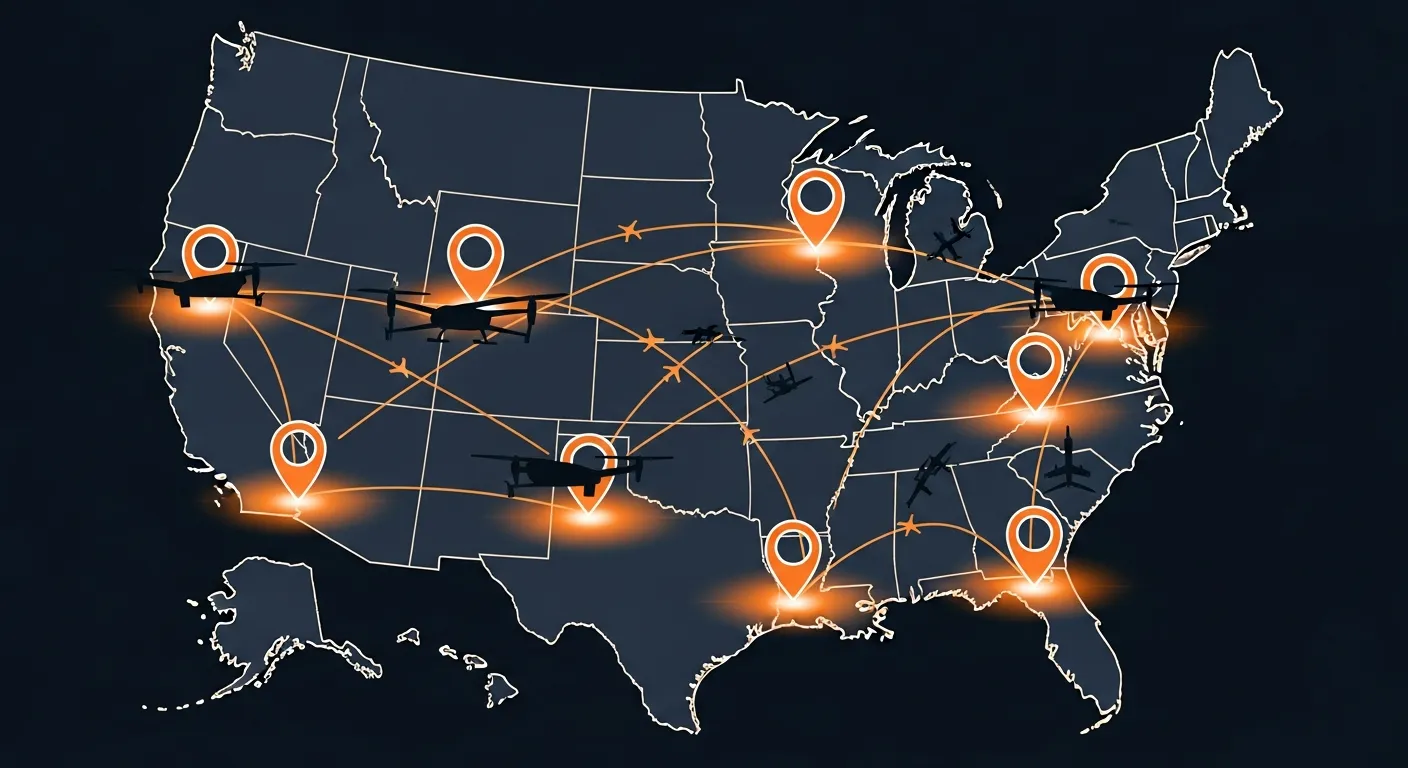
FAA Selects 8 eIPP Projects Across 26 States: US Air Taxi Demo Flights Coming Summer 2026
The FAA announced its Electric Innovative Propulsion Program (eIPP) selections on March 9, 2026, choosing 8 demonstration projects spanning 26 states. Joby Aviation, Archer Aviation, BETA Technologies, and Wisk Aero are among the participants, with demo flights beginning as early as summer 2026.

FAA eVTOL Integration Pilot Program: U.S. Air Taxi Flights Starting Summer 2026
The FAA's eVTOL Integration Pilot Program (eIPP), launched by the DOT and FAA, will enable demonstration air taxi flights with non-paying passengers in U.S. cities starting summer 2026. Joby Aviation and Archer Aviation are among the participants, with focus cities including Los Angeles, New York, and Dallas.
Ready to explore the future of air travel?
Discover how eVTOL technology is revolutionizing urban mobility and plan your own aerial journey.