eVTOL Industry Shakeout: Who Survived 2025 and Why It Matters
Laxman Kafle

In this article (5)▼
The eVTOL industry entered 2024 with over a dozen well-funded companies racing to build flying taxis. By the end of 2025, roughly half of them were gone. The great eVTOL shakeout was brutal, sudden, and — in hindsight — predictable.
Understanding who survived and why matters for anyone following urban air mobility, investing in eVTOL stocks, or waiting for air taxis to become real. The surviving companies aren't just lucky — they share characteristics that explain why they made it through while others didn't.
Who Didn't Make It
The casualty list reads like a who's-who of the industry just two years ago:
Lilium — The German eVTOL maker filed for insolvency in late 2024, briefly appeared rescued by a €210 million deal with Mobile Uplift Corporation, then filed for insolvency a second time in February 2025 when the rescue deal collapsed. Archer Aviation acquired Lilium's patent portfolio. Lilium's 36-motor jet design was ambitious but proved too complex and expensive to bring to market.
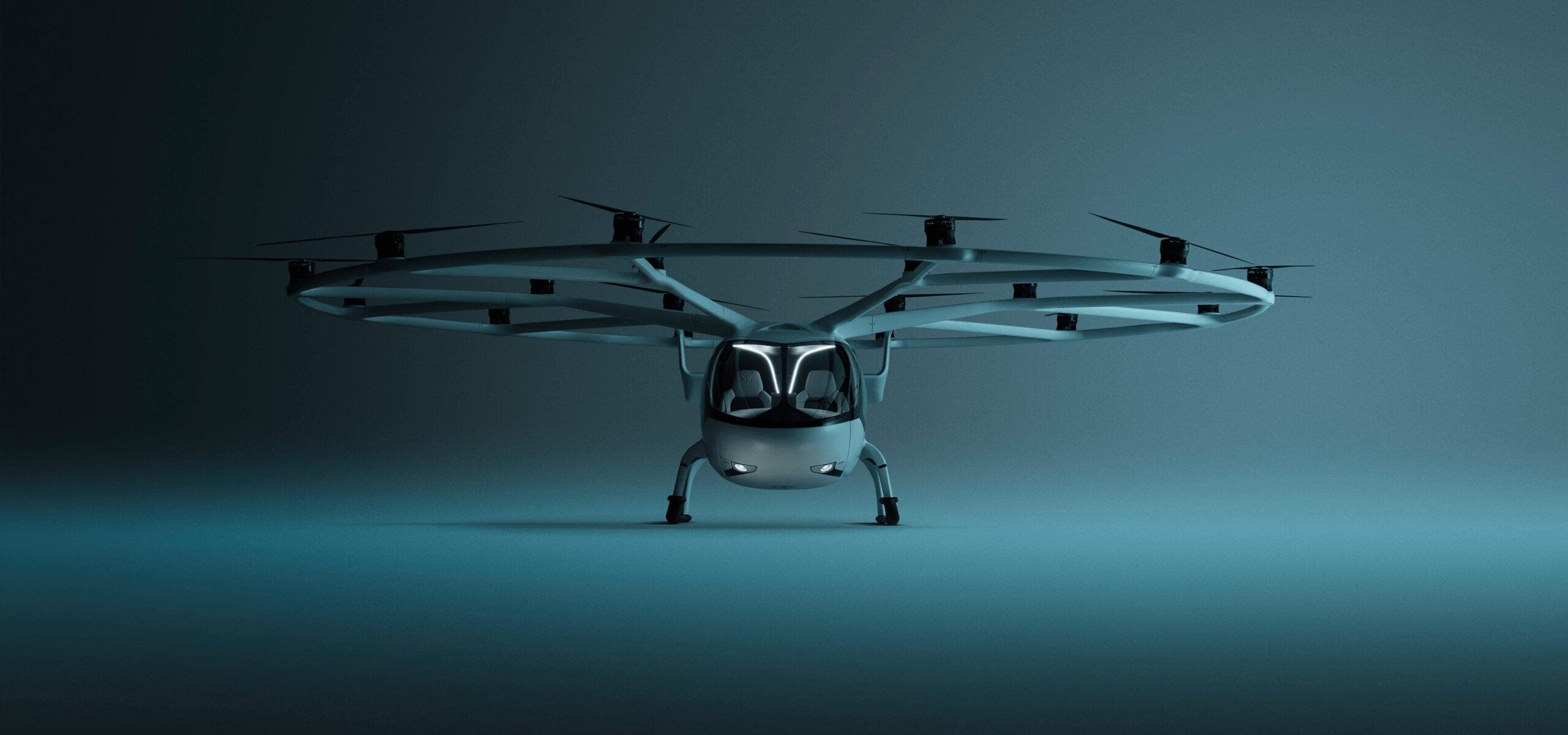
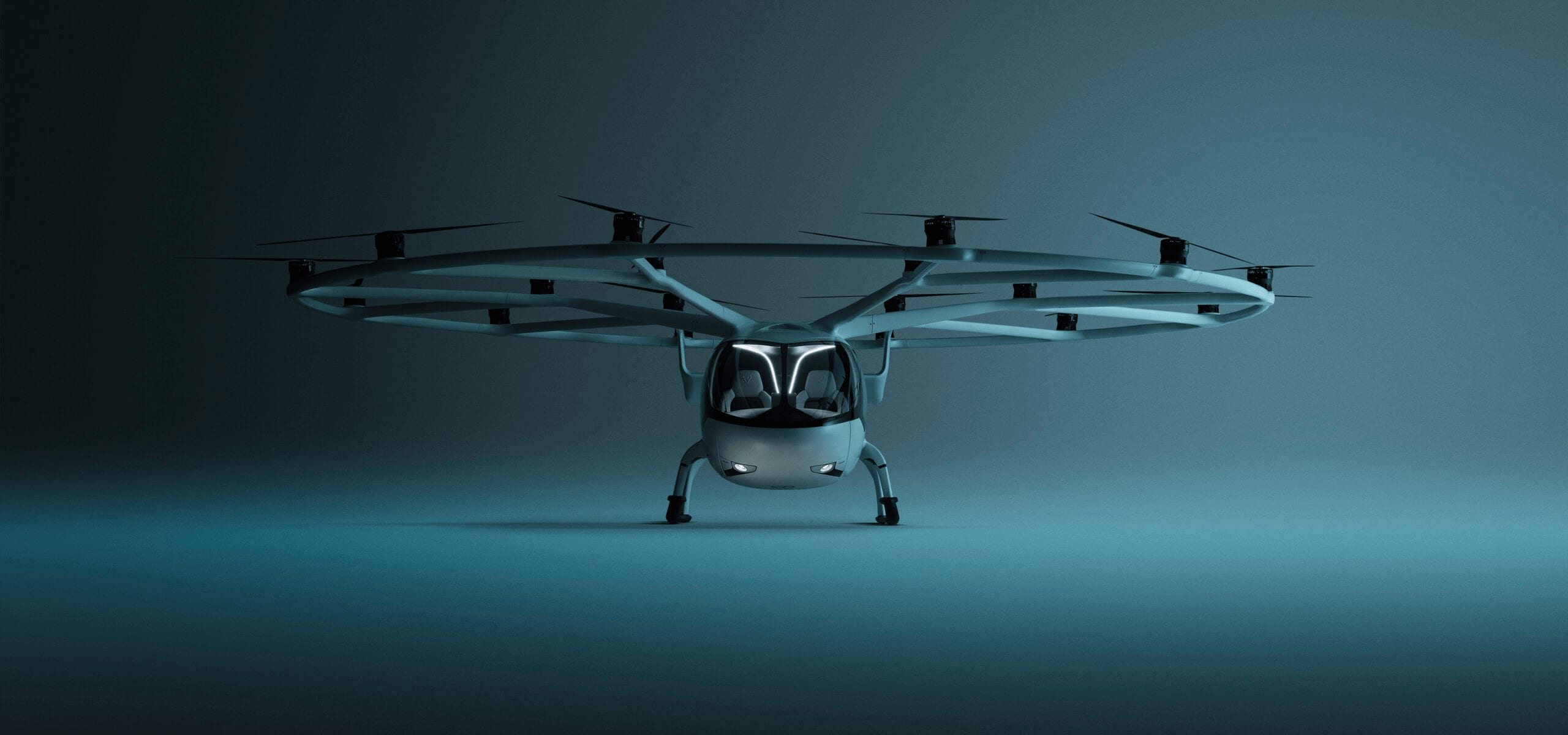
Volocopter — Once Germany's eVTOL flagship, Volocopter filed for insolvency and was acquired by Diamond Aircraft, a subsidiary of China's Wanfeng group, in March 2025. The VoloCity program continues under Diamond ownership but with significantly scaled-back ambitions — now marketed partly as a "Light Sports eVTOL" rather than a full urban air mobility solution. EASA certification for VoloCity is now targeted for 2027.
Supernal (Hyundai) — Hyundai's eVTOL subsidiary halted development entirely, a surprising move given Hyundai's deep pockets. The decision suggests that even major automotive companies concluded the timeline to profitability was too long relative to the investment required.
Airbus CityAirbus — Europe's aerospace giant put its eVTOL program "on ice," redirecting resources to more immediately profitable aviation programs. Airbus concluded that the market wasn't developing fast enough to justify continued heavy investment.
Overair — Ceased operations after its primary investor, Hanwha Group, stopped funding. Despite promising technology, Overair couldn't find alternative capital to continue development.
Textron Nexus — Textron, one of aviation's largest conglomerates (owner of Cessna and Bell), shuttered its dedicated eVTOL division, consolidating any remaining urban air mobility work into Bell's broader rotorcraft programs.
Who Survived and Why
The survivors share common traits that the casualties lacked:
Joby Aviation — The Frontrunner
Joby Aviation enters 2026 as the clear leader in Western eVTOL development:
- FAA Stage 4 — The furthest any Western eVTOL company has advanced in certification
- 850+ test flights in 2025, over 50,000 miles of total flight testing
- Toyota partnership — 200 Toyota engineers embedded at Joby, bringing automotive manufacturing expertise and significant capital
- Delta Air Lines partnership — Airport connectivity routes in New York and Los Angeles
- Dubai commercial launch planned for 2026 under UAE special regulatory framework
- Revenue generation — $53M in 2025 revenue through Blade Air Mobility helicopter operations (acquired)
- Market cap — ~$9.8 billion
Why they survived: Deep strategic partnerships (Toyota, Delta), regulatory progress that's years ahead of competitors, revenue from adjacent operations, and a proven aircraft with extensive flight testing.
Archer Aviation — The Challenger
Archer Aviation has secured its position as the number two Western eVTOL company:
- $6B+ order backlog providing commercial validation
- United Airlines partnership for route integration
- Abu Dhabi operations planned for 2026 with 10 vertiport sites identified
- 400+ test flights completed with the Midnight aircraft
- Georgia manufacturing facility producing commercial aircraft
- Lilium patent acquisition strengthening intellectual property portfolio
Why they survived: Massive order backlog demonstrating market demand, airline partnerships providing distribution, international market diversification, and aggressive manufacturing buildout.
BETA Technologies — The Dark Horse
BETA Technologies emerged from relative obscurity to become a major player:
- Successful IPO in November 2025 — NYSE: BETA, $7.4 billion valuation, $1 billion raised
- $3.5B order backlog covering 891 aircraft from Amazon, UPS, United Therapeutics, and others
- Cargo-first strategy — Starting with logistics and medical delivery before passenger operations, a lower regulatory bar
- FAA certification target — Late 2026 / early 2027
Why they survived: A pragmatic cargo-first approach that doesn't require the same level of passenger certification, massive institutional backing (Amazon, GE Aerospace), and a successful public offering that provides capital runway.
Wisk Aero — The Corporate Bet
Wisk Aero, wholly owned by Boeing since 2023, survived through corporate backing:
- Boeing's full financial support — Removes the funding risk that killed most competitors
- Gen 6 autonomous aircraft — First hover flight completed December 2025
- Autonomous-first strategy — No onboard pilot, supervised by ground operators
- Target markets — Houston, Los Angeles, Miami (by 2030)
Why they survived: Boeing ownership eliminates capital risk entirely. The autonomous strategy is differentiated and potentially more scalable long-term, even if it requires a longer certification timeline.
The Pattern: What Separated Survivors from Casualties
Looking across the survivors and casualties, a clear pattern emerges:
1. Strategic partnerships beat solo operations. Every survivor has deep partnerships with established companies (Toyota, Delta, United, Boeing, Amazon). Every casualty was operating more independently, relying primarily on venture capital or government subsidies.
2. Revenue diversification matters. Joby generates revenue through Blade's helicopter operations. BETA has cargo contracts. Companies that relied entirely on future eVTOL revenue had no cushion when timelines stretched.
3. Regulatory progress is non-negotiable. Joby's Stage 4 FAA status and Archer's advanced testing program gave investors confidence. Companies with less regulatory progress couldn't demonstrate a credible path to market.
4. Capital efficiency separates winners from losers. Building an eVTOL company requires billions of dollars over many years. Companies that burned cash too quickly without corresponding progress ran out of runway.
5. Market strategy must match reality. Companies targeting premium, high-traffic routes (NYC-airport, Dubai) or practical cargo applications demonstrated clearer paths to revenue than those with vague "urban air mobility" positioning.
What the Consolidation Means
The shakeout is actually healthy for the industry:
Fewer, stronger competitors. Resources are now concentrated among companies with the best chance of success. Investors, regulators, and partners can focus their attention on viable programs.
Clearer timelines. With fewer companies making competing claims about launch dates, the industry's actual timeline becomes more transparent. The realistic picture: UAE operations in 2026, US certification in 2027, US commercial service in 2027-2028.
Technology assets redistributed. Lilium's patents went to Archer. Volocopter's technology continues under Diamond. The industry's intellectual property isn't lost — it's being absorbed by stronger players.
Investor maturity. The shakeout has educated the market about what it takes to build an eVTOL company. Future investment will be more focused and realistic, reducing the boom-bust cycle.
What to Watch in 2026
The surviving companies face critical milestones this year:
- Joby: Dubai commercial launch, FAA test pilot flights, eIPP demonstration flights
- Archer: Abu Dhabi operations launch, continued FAA certification progress
- BETA: FAA certification push, first cargo operations
- Wisk: Gen 6 transition flight testing, autonomous certification advancement
The eVTOL industry is smaller than it was two years ago, but it's also more real. The companies that remain have the technology, capital, partnerships, and regulatory progress to actually deliver on the promise of urban air mobility.
Track the progress of all surviving companies on our certification tracker and companies directory. Join the waitlist to be among the first to fly when services launch in your city.
Sources: Information sourced from official company announcements, FAA publications, SEC filings, and verified industry reports. For corrections, contact us.
Written by
Laxman Kafle
Founder of eVTOL.Travel — building the independent global directory and verified pre-reservation platform for the urban air mobility era. Tracking every operator, vertiport, and city launch toward 2026.
Continue reading

eVTOL News July 2026: Joby's Toyota JV and Virgin Atlantic Deal, Vertical Slips to 2029, and the World Cup Verdict
Corrected historical article: We withdraw the claim that Joby received an FAA type certificate in June 2026. Joby's September 10 release still describes fifth-stage certification testing. Demonstration flights are not evidence of a type certificate. We have not verified the claimed Shenzhen–Hong Kong paid eVTOL route or ¥800 fare. Do not use those claims for travel planning. EHang's March 30, 2025 release supports operator approvals for related Guangzhou and Hefei sites, not a cross-border scheduled service.

DW News on eVTOLs: What They Got Right (and the Two Corrections Worth Making)
Corrected historical article: We withdraw the claim that Joby received an FAA type certificate in June 2026. Joby's September 10 release still describes fifth-stage certification testing. Demonstration flights are not evidence of a type certificate. We have not verified the claimed Shenzhen–Hong Kong paid eVTOL route or ¥800 fare. Do not use those claims for travel planning. EHang's March 30, 2025 release supports operator approvals for related Guangzhou and Hefei sites, not a cross-border scheduled service.

Can You Take an Air Taxi to a 2026 World Cup Match? Host-City-by-Host-City Status
Corrected historical article: We withdraw the claim that Joby received an FAA type certificate in June 2026. Joby's September 10 release still describes fifth-stage certification testing. Demonstration flights are not evidence of a type certificate. We have not verified the claimed Shenzhen–Hong Kong paid eVTOL route or ¥800 fare. Do not use those claims for travel planning. EHang's March 30, 2025 release supports operator approvals for related Guangzhou and Hefei sites, not a cross-border scheduled service.
Ready to explore the future of air travel?
Discover how eVTOL technology is revolutionizing urban mobility and plan your own aerial journey.