Wisk Aero's Gen 6 Autonomous Air Taxi Approaches Transition Flight
Laxman Kafle
In this article (8)▼
Wisk Aero, the Boeing-backed autonomous eVTOL developer, is closing in on one of the most anticipated milestones in advanced air mobility: the transition flight of its Gen 6 air taxi. Following the aircraft's successful first flight in December 2024, Wisk expects to achieve transition — the complex maneuver from vertical hover to wing-borne forward flight — within six months, targeting mid-2026.
What makes Wisk's program uniquely significant is that the Gen 6 is designed to fly with no pilot on board. If successful, it would be the first autonomous passenger eVTOL to demonstrate full transition flight in the Western world.
What Is Transition Flight and Why Does It Matter?
Transition flight is the single most challenging maneuver an eVTOL aircraft must perform. During transition, the aircraft shifts from vertical flight — supported entirely by rotor thrust — to wing-borne flight, where aerodynamic lift supports the aircraft's weight.
This phase involves:
- Accelerating Forward: The aircraft must build enough airspeed for the wings to generate sufficient lift
- Shifting Lift Sources: Weight support transfers from rotors to wings, requiring precise control of both systems simultaneously
- Managing Aerodynamic Complexity: The aircraft passes through a speed regime where neither hover nor cruise flight is fully efficient, creating unique aerodynamic challenges
- Power Management: Battery power must be managed carefully during the high-energy transition phase
For autonomous aircraft like the Gen 6, transition is even more challenging because there is no human pilot to make real-time adjustments. The flight control system must manage the entire maneuver autonomously, responding to wind gusts, turbulence, and any unexpected aerodynamic behavior.
The Gen 6 Aircraft
Wisk's Gen 6 represents the culmination of six generations of autonomous eVTOL development. Key design features include:
- Fully Autonomous: No onboard pilot — the aircraft is controlled by advanced autonomy systems
- Passenger Capacity: Designed for 4 passengers
- Configuration: Canard wing design with tilting propulsors for vertical and forward flight
- Safety Architecture: Multiple layers of redundancy in propulsion, flight controls, and autonomy systems
- Sense and Avoid: Advanced sensor suite for detecting and avoiding other aircraft, obstacles, and terrain
The absence of a pilot is not merely a design choice — it is fundamental to Wisk's economic model. Pilot costs represent a significant portion of operating expenses for conventional aircraft. By eliminating the pilot, Wisk aims to dramatically reduce per-trip costs, potentially making autonomous air taxis competitive with ground transportation for everyday trips.
Boeing's Backing
Wisk is a subsidiary of Boeing, the world's largest aerospace company. Boeing's involvement provides Wisk with:
Financial Resources: Boeing has invested hundreds of millions of dollars in Wisk's development, providing the long-term capital needed for a program with extended certification timelines.
Aerospace Expertise: Boeing's 100+ years of aircraft design, testing, certification, and manufacturing experience directly supports Wisk's development program. Boeing engineers collaborate with Wisk on aerodynamics, structures, systems integration, and certification strategy.
Regulatory Relationships: Boeing's deep relationships with the FAA and international regulators are invaluable for navigating the unprecedented certification challenge of an autonomous passenger aircraft.
Manufacturing Scale: When Wisk reaches production, Boeing's manufacturing infrastructure provides a foundation for scaling — though autonomous aircraft manufacturing will require new approaches.
Autonomy Technology Partners
Wisk has assembled an impressive roster of technology partners for its autonomy systems:
Anduril Industries: The defense technology company, known for its autonomous systems in military applications, is collaborating with Wisk on key autonomy components. Anduril's expertise in sensor fusion, AI-based decision-making, and autonomous operations in complex environments directly translates to the challenges of urban air mobility.
L3Harris Technologies: A major defense and technology contractor, L3Harris is contributing to Wisk's communication and navigation systems. Reliable, redundant communication links are essential for autonomous aircraft operating in urban environments.
These partnerships reflect a deliberate strategy of leveraging cutting-edge autonomy technology from the defense sector — where autonomous systems operate in far more demanding environments — and applying it to commercial aviation.
The Path to FAA Certification
Certifying an autonomous passenger aircraft is unprecedented in aviation history. The FAA has never issued a type certificate for an aircraft designed to carry passengers without a pilot on board. This creates both challenges and opportunities:
Regulatory Framework: The FAA is developing new certification standards for autonomous aircraft, building on existing regulations for unmanned aircraft systems (UAS) and traditional aircraft. This process is inherently slower than certifying a piloted aircraft, as regulators must address novel safety cases.
Safety Case: Wisk must demonstrate that its autonomous systems achieve an equivalent — or higher — level of safety compared to human pilots. This requires extensive testing, simulation, and analysis to validate the autonomy system's ability to handle normal operations, abnormal situations, and emergency scenarios.
Public Acceptance: Beyond regulatory approval, autonomous air taxis must gain public trust. Decades of experience with autonomous systems in other domains (elevators, trains, automotive) provide a foundation, but flying without a pilot represents a psychological threshold that will require careful communication and demonstrated safety.
Second Gen 6 Aircraft
Wisk plans to fly a second Gen 6 aircraft later in 2026, expanding its flight test capabilities and accelerating the certification timeline. Having multiple test aircraft allows:
- Parallel Testing: Different test objectives can be pursued simultaneously on different aircraft
- Faster Data Collection: More aircraft flying means more data generated per unit of time
- Redundancy: If one aircraft requires maintenance or modification, testing can continue on the other
- Configuration Variations: Different aircraft can test different hardware or software configurations
Competitive Landscape for Autonomous eVTOL
Wisk occupies a unique position in the eVTOL landscape as the only major Western developer pursuing a fully autonomous passenger aircraft:
- Joby Aviation and Archer Aviation are both developing piloted aircraft, with human pilots on board for initial commercial operations
- EHang in China operates autonomous eVTOLs commercially, but its EH216-S is a smaller, shorter-range aircraft with different capabilities
- Volocopter (pre-restructuring) pursued piloted operations for initial service
Wisk's autonomous approach is higher risk but potentially higher reward. If the technology and certification challenges can be overcome, autonomous air taxis could offer significantly lower operating costs and enable operations that would be uneconomical with pilots.
Timeline and Next Milestones
Key milestones to watch for Wisk in 2026:
- Transition Flight: Expected within six months (mid-2026), this will validate the Gen 6's full flight envelope
- Second Aircraft Flight: The second Gen 6 flying later in 2026 doubles test capacity
- Certification Progress: Updates on the FAA's regulatory framework for autonomous passenger aircraft
- Autonomy System Demonstrations: Public demonstrations of the aircraft's sense-and-avoid and autonomous decision-making capabilities
The eVTOL regulations landscape is evolving rapidly to accommodate autonomous aircraft. Follow all major programs on our companies page, monitor eVTOL stocks, and explore when air taxis will be available in your city. Join the waitlist for the latest updates on commercial air taxi service.
Sources: Information sourced from official company announcements, FAA publications, SEC filings, and verified industry reports. For corrections, contact us.
Written by
Laxman Kafle
Founder of eVTOL.Travel — building the independent global directory and verified pre-reservation platform for the urban air mobility era. Tracking every operator, vertiport, and city launch toward 2026.
Continue reading
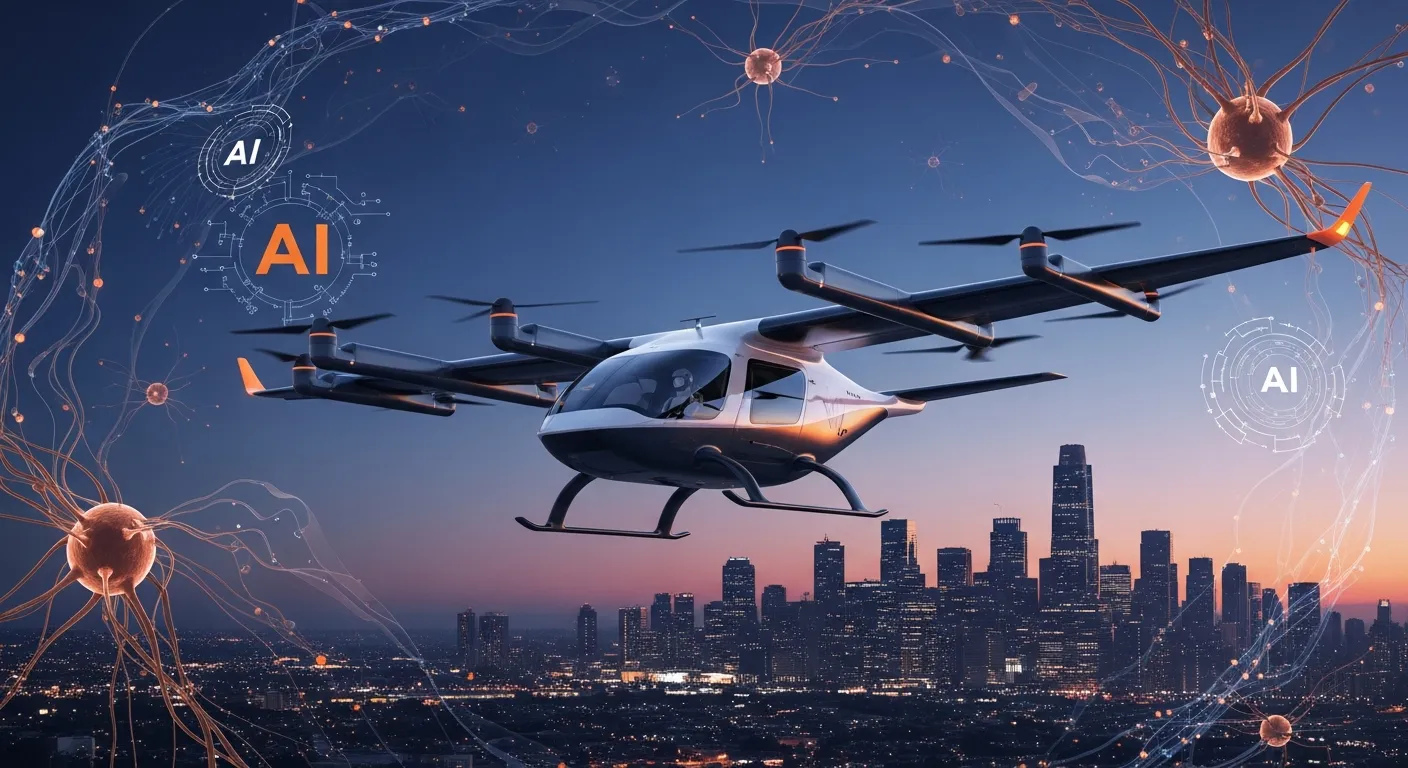
Wisk Aero Gen 6 Autonomous eVTOL: Boeing's Self-Flying Air Taxi Bet
Wisk Aero — Boeing's autonomous eVTOL subsidiary — has accelerated Gen 6 flight testing in 2026. The 4-passenger self-flying air taxi has no pilot seat, no manual controls, and represents the most aggressive autonomy bet in the eVTOL industry.
EHang Makes History: The World's First Paid Commercial Air Taxi Flights
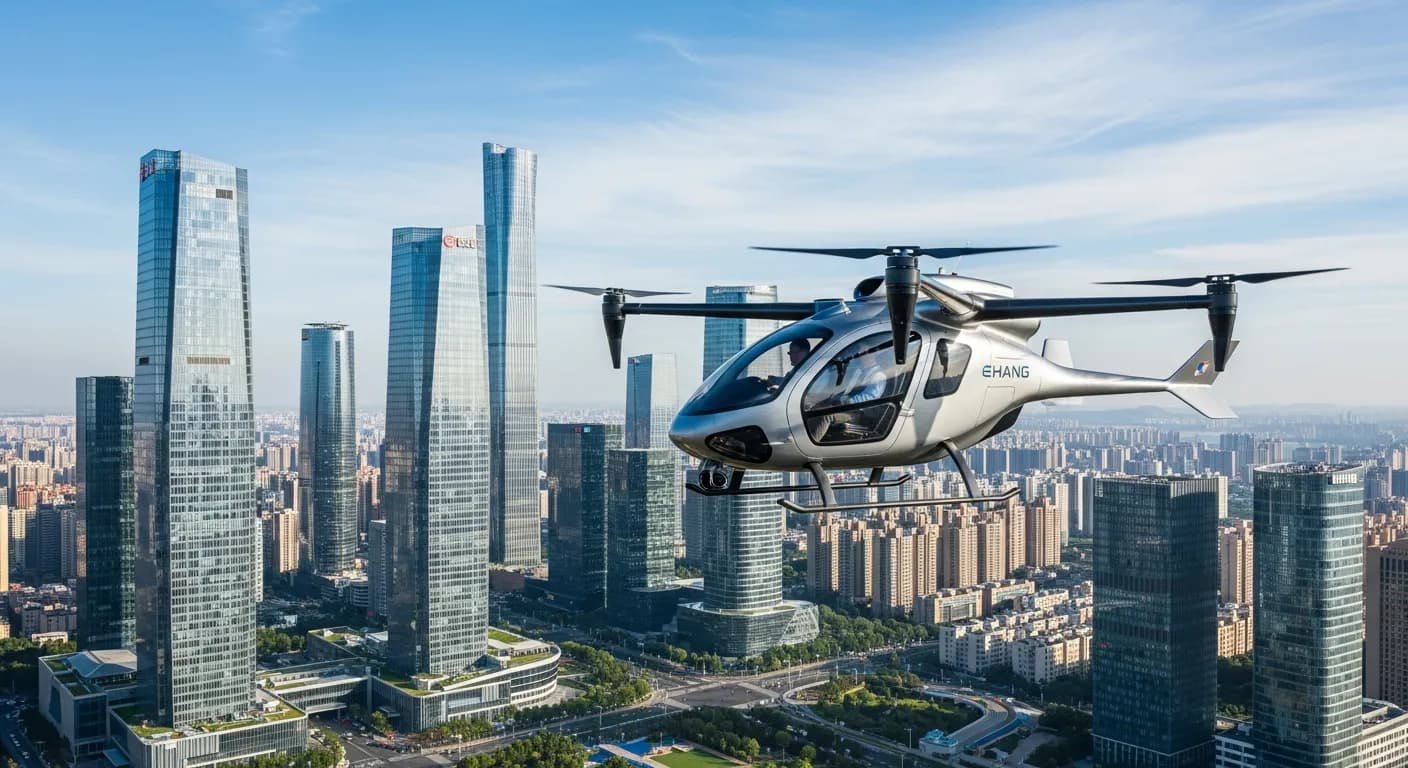
While Western eVTOL companies are still pursuing certification, EHang has quietly made history. The Chinese company is now operating paid commercial air taxi flights with paying passengers in multiple cities — a global first.
eVTOL News July 2026: Joby's Toyota JV and Virgin Atlantic Deal, Vertical Slips to 2029, and the World Cup Verdict
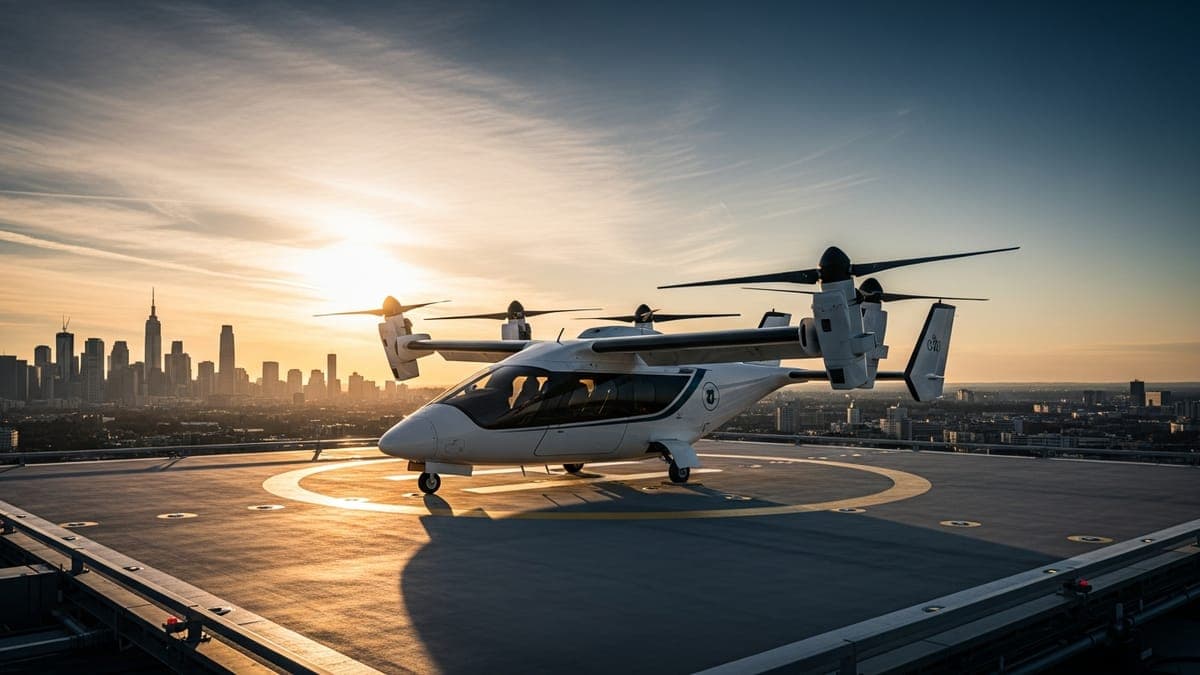
July 2026 was the month the eVTOL industry's post-type-certificate era took shape. Joby — fresh off its June FAA type certificate — formed a manufacturing joint venture with Toyota and signed an exclusive UK partnership with Virgin Atlantic covering London and Manchester. Vertical Aerospace pushed VX4 certification from 2028 to 2029. BETA flew the first organ-transport relay under the FAA's eVTOL Integration Pilot Program. And the World Cup closed with the verdict we projected in April: zero commercial eVTOL flights in all 16 host cities. Here's the full roundup.
Ready to explore the future of air travel?
Discover how eVTOL technology is revolutionizing urban mobility and plan your own aerial journey.