Nepal's First Flying Car: What the Deepal eVTOL Showcase Means for Air Taxis in Nepal
Laxman Kafle
In this article (9)▼
In August 2025, something unprecedented happened in Kathmandu. At the NADA Auto Show 2025, Nepal's largest automotive exhibition, a flying car was displayed publicly for the first time in the country's history.
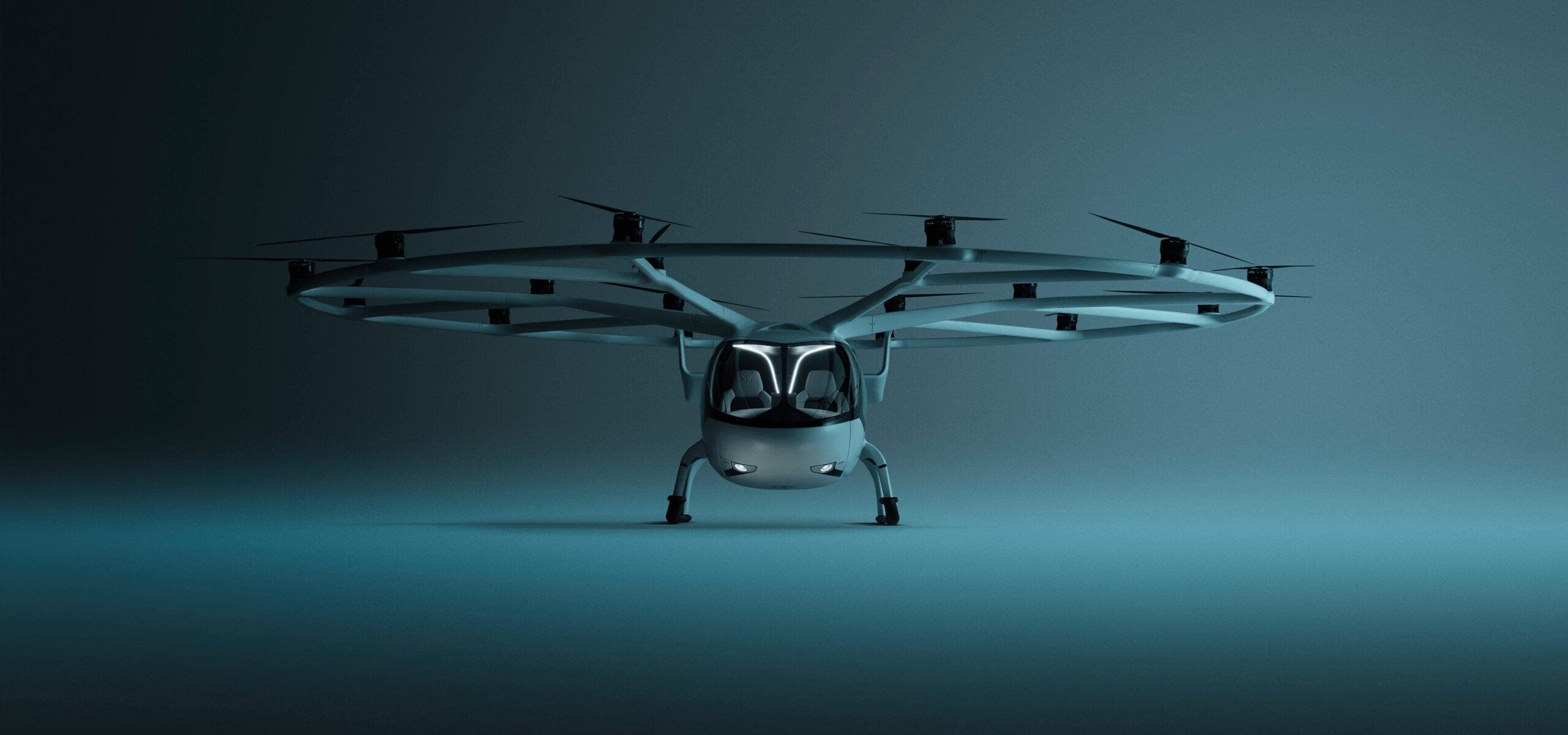
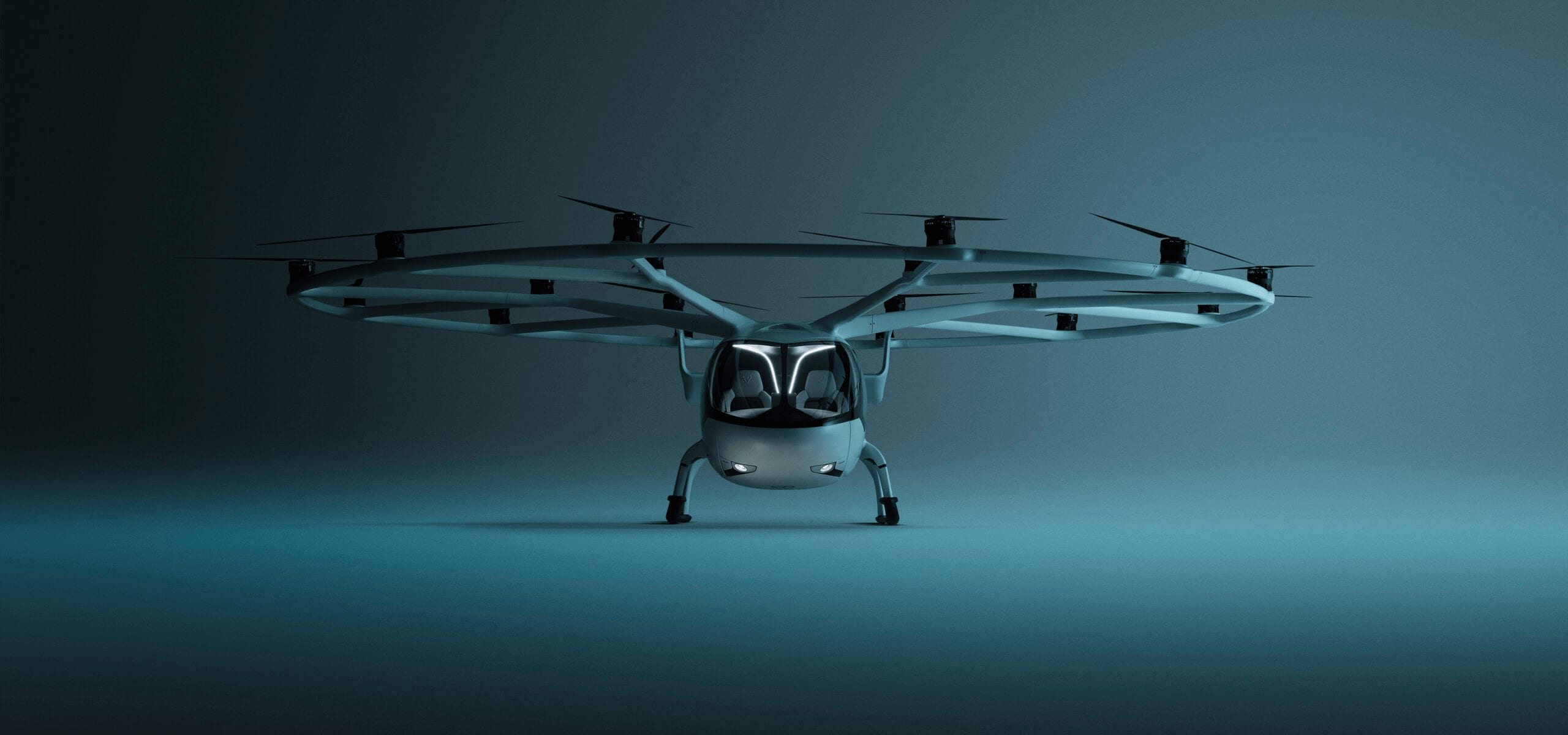
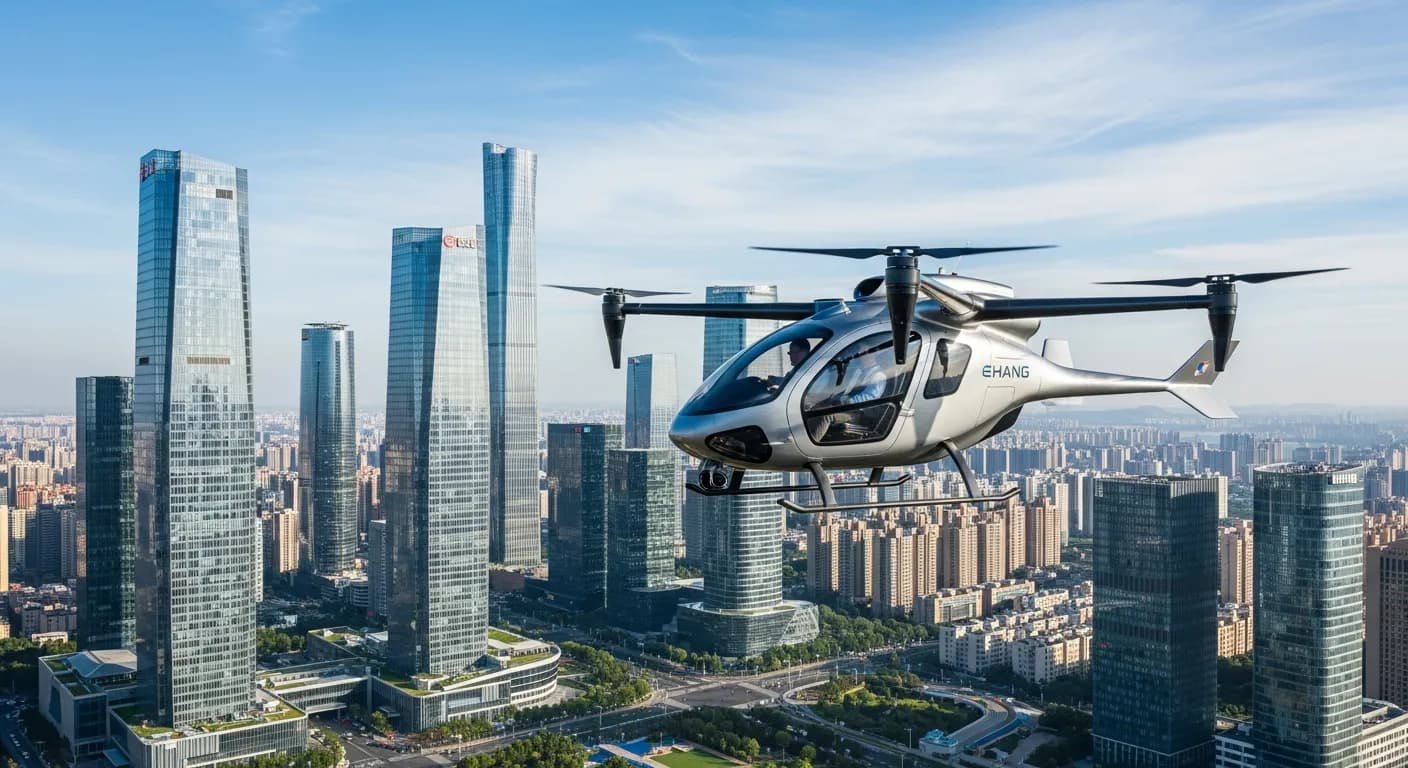
The Deepal eVTOL, developed through a collaboration between Changan Automobile and EHang, was brought to Nepal by MAW Vriddhi Autocorp. The aircraft arrived from Shanghai just days before the show and immediately became the most talked-about exhibit.
For a country where a 200-kilometer journey can take 8 hours by road, the implications were hard to ignore.
The Aircraft: EHang EH216-S
The vehicle on display was the EHang EH216-S, the world's first certified pilotless passenger eVTOL aircraft. It received its airworthiness certificate from China's Civil Aviation Administration (CAAC) — making it the first fully autonomous air taxi to earn commercial certification anywhere in the world.
Key Specifications
| Spec | Detail |
|---|---|
| Passengers | 2 (no pilot required) |
| Top Speed | 130 km/h |
| Range | 30 km (up to 48 min with solid-state battery) |
| Motors | 16 electric motors |
| Max Takeoff Weight | 620 kg |
| Charging Time | ~2 hours (1 hour with solid-state upgrade) |
| Flight Mode | Fully autonomous VTOL |
| Price (Nepal) | NPR 80 million (~$600,000 USD) |
The EH216-S is not a concept vehicle. It is a production aircraft that has already completed thousands of test flights and begun commercial operations in China.
Why Nepal Is Uniquely Suited for eVTOL
Most global eVTOL discussions focus on cities like Dubai, Los Angeles, and Tokyo. But Nepal has characteristics that make it one of the most compelling potential markets for air taxis in the world.
1. Geography That Demands Aerial Solutions
Nepal's terrain is the core argument. The country spans from the Terai plains at 60 meters elevation to the Himalayas at 8,849 meters. Road construction is expensive, slow, and constantly disrupted by landslides and monsoons.
Routes that should take an hour by air currently take half a day by road.
2. Kathmandu Valley Traffic Crisis
The Kathmandu Valley is home to over 4 million people packed into a bowl-shaped area with limited road infrastructure. Traffic congestion regularly brings the city to a standstill. An air taxi network connecting key points within the valley — the airport, business districts, tourist hubs — could bypass the gridlock entirely.
3. Tourism Potential
Nepal attracts over a million tourists annually, primarily for trekking, mountaineering, and cultural heritage. eVTOL aircraft could offer scenic aerial tours, rapid transfers between tourism hubs, and access to remote destinations that currently require multi-day treks or expensive helicopter charters.
Imagine routes like: - Kathmandu to Pokhara — 25 minutes instead of 6 hours by road - Kathmandu to Chitwan — 20 minutes instead of 5 hours - Pokhara to Jomsom — 15 minutes instead of a full-day jeep ride
4. Emergency Medical Services
In remote mountain communities, medical emergencies often become fatal simply because patients cannot reach hospitals in time. eVTOL aircraft could serve as air ambulances, connecting remote health posts with urban hospitals in minutes rather than hours.
The Challenges Ahead
Despite the potential, Nepal faces significant obstacles before air taxis become a reality.
No Regulatory Framework
The Civil Aviation Authority of Nepal (CAAN) currently has no legal or regulatory framework for eVTOL operations. There are no rules governing autonomous aircraft, no designated low-altitude air corridors, and no certification process for vertiports.
Building this framework will take years of work — studying international standards from the FAA, EASA, and CAAC, and adapting them to Nepal's unique conditions.
High Altitude Limitations
Most eVTOL aircraft are designed for operations at 300-600 meters above ground level in urban environments. Nepal's geography means many potential routes would require operations at much higher altitudes, where thinner air reduces rotor efficiency and cold temperatures degrade battery performance.
Aircraft optimized for sea-level operations in Dubai or Los Angeles may need significant modifications for Nepal's conditions.
Infrastructure Requirements
A functioning air taxi network requires vertiports (landing and charging pads), reliable electrical grid infrastructure for charging, 5G or 4G connectivity for real-time flight management, and air traffic management systems.
Nepal's power grid is improving but remains unreliable in many areas. Building the supporting infrastructure will require substantial investment.
Cost
At NPR 80 million ($600,000) per aircraft, the EH216-S is not cheap. A viable air taxi network would need dozens of aircraft, multiple vertiports, maintenance facilities, and trained ground staff. The capital requirements are substantial for Nepal's economy.
What Needs to Happen Next
The NADA Auto Show display was symbolic — an important first step in public awareness. But turning that symbol into reality will require:
- CAAN regulatory development — Start creating the legal framework now, even if commercial operations are years away
- Pilot programs — Small-scale demonstration flights in controlled environments, perhaps in the Kathmandu Valley or Pokhara
- International partnerships — Working with countries like the UAE, China, and Singapore that are already building operational eVTOL networks
- Infrastructure planning — Identifying potential vertiport locations and beginning feasibility studies
- Public-private collaboration — Government backing combined with private sector investment and international expertise
The Bigger Picture
Nepal does not have to be a follower in the eVTOL revolution. The country's geography, tourism economy, and transportation challenges create a genuine market need that flat, well-connected cities do not have.
The question is not whether air taxis will eventually reach Nepal — it is whether Nepal will be ready when they arrive.
Countries across Asia are already preparing. India has signed agreements for commercial eVTOL service by 2027. Thailand is writing its Drone Act. Singapore has built demonstration vertiports.
Nepal has the opportunity to be part of this wave — but only if preparation begins now.
Want to be among the first to fly when air taxis launch? Pre-reserve your seat on eVTOL.Travel — completely free, no obligation. Browse available routes to see which city-pairs are being planned, explore the companies building the aircraft, and earn Flight Credits toward your first ride.
Sources: Information sourced from official company announcements, FAA publications, SEC filings, and verified industry reports. For corrections, contact us.
Written by
Laxman Kafle
Founder of eVTOL.Travel — building the independent global directory and verified pre-reservation platform for the urban air mobility era. Tracking every operator, vertiport, and city launch toward 2026.
Continue reading
Flying Cars Are Here: The 2026 Guide to Real Flying Cars You Can Ride
Flying cars are no longer science fiction. In 2026, real electric flying vehicles are carrying paying passengers in Dubai and China, with US and European cities next. This is the definitive guide to what flying cars actually are, who makes them, where you can ride one, and what it costs.

South Asia eVTOL Market Report 2026: Country-by-Country Readiness Rankings
Which South and Southeast Asian countries are best prepared for the air taxi revolution? We rank Singapore, India, Thailand, Indonesia, Vietnam, and Nepal on eVTOL readiness — from regulation and infrastructure to market demand and partnerships.
EHang Makes History: The World's First Paid Commercial Air Taxi Flights
While Western eVTOL companies are still pursuing certification, EHang has quietly made history. The Chinese company is now operating paid commercial air taxi flights with paying passengers in multiple cities — a global first.
Ready to explore the future of air travel?
Discover how eVTOL technology is revolutionizing urban mobility and plan your own aerial journey.