Wisk Aero Gen 6 Autonomous eVTOL: Boeing's Self-Flying Air Taxi Bet
Laxman Kafle

In this article (7)▼
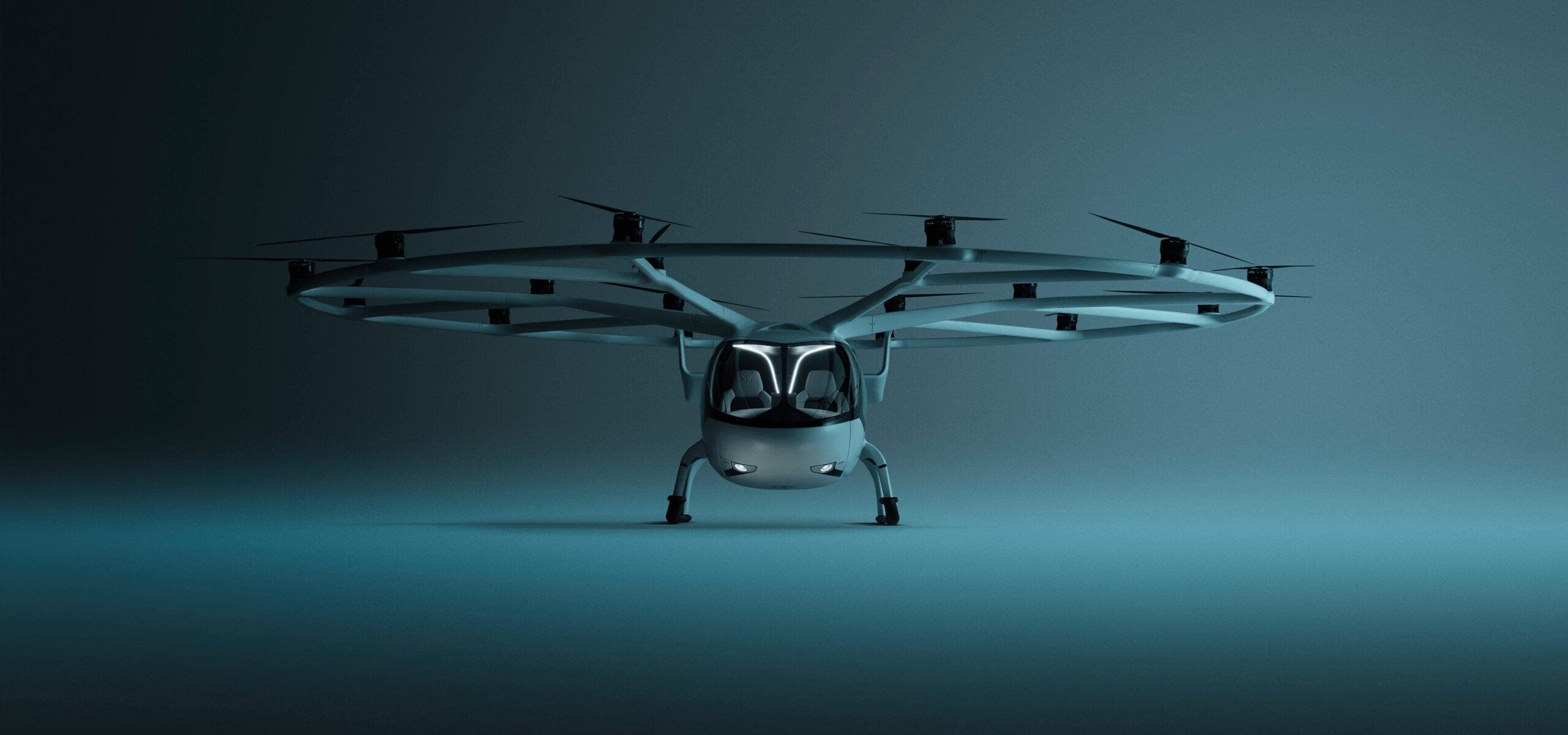
While Joby and Archer chase piloted certification, Wisk Aero — Boeing's autonomous eVTOL subsidiary — is taking a fundamentally different bet: skip the pilot.
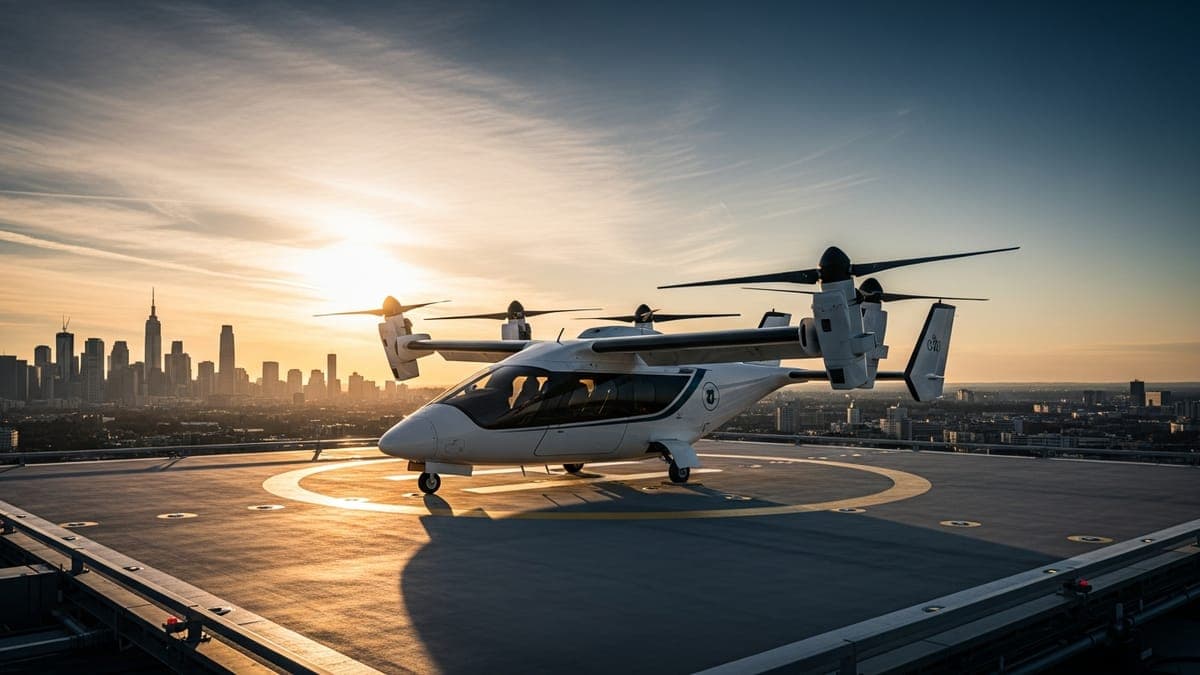
Wisk's Gen 6 aircraft has accelerated flight testing in 2026. It carries 4 passengers, has no pilot seat, no manual controls, and is designed from day one for full autonomous operation. It is the most aggressive autonomy bet in the eVTOL industry.
Why Autonomy Changes Everything
Pilot economics dominate eVTOL operating costs. A piloted air taxi needs: - A certified commercial eVTOL pilot ($150K+ annual cost loaded) - Pilot rest cycles limiting daily aircraft utilization - Pilot training programs (each new aircraft type = months of certification) - Pilot recruiting in a market where commercial pilots are scarce
Remove the pilot, and the per-seat economics drop dramatically. A 4-passenger autonomous Wisk could potentially operate at half the per-seat cost of a piloted Joby S4 — at the same speed, range, and noise profile.
The Boeing Backing Matters
Wisk is wholly owned by Boeing. That gives Wisk three structural advantages no other eVTOL company has:
- Capital depth. Boeing's balance sheet means Wisk doesn't need to raise dilutive capital to survive certification timelines.
- FAA relationships. Boeing's existing certification track record gives Wisk regulatory credibility.
- Aerospace manufacturing scale. When Wisk is ready to mass produce Gen 6 aircraft, Boeing's supply chain is available.
The FAA Autonomy Hurdle
The challenge: the FAA has never type-certified a passenger-carrying autonomous aircraft. Wisk's certification path requires building a brand-new regulatory framework around remote supervision, ground-based safety pilots, and contingency authority.
The FAA Stage 4 work that Joby is now in is the playbook for piloted certification. Wisk needs to write a parallel playbook for autonomous certification — and the FAA needs to be willing to sign it.
That's why Wisk's commercial launch timeline is later than Joby and Archer. Industry consensus is autonomous Wisk service is a 2028–2030 story, not a 2026–2027 story.
What Wisk Means for the US Market
Wisk's importance is strategic rather than near-term:
- 2026–2027: US air taxi market is piloted Joby and Archer.
- 2028–2030: Wisk's autonomous Gen 6 enters service, dropping operating costs.
- 2030+: Autonomy becomes the standard, piloted aircraft become legacy.
If Wisk's certification pathway works, the entire US eVTOL economics restructures. That's the bet Boeing is making.
How to Stay Ahead
Track eVTOL company developments. Compare Joby S4 vs Wisk Gen 6 head-to-head, or follow the eVTOL certification tracker for live status updates.
Key statistics
- 0 pilot seats: Wisk Gen 6 is designed without manual flight controls — the most aggressive autonomy bet of any FAA Type Certification candidate.
- 4 passengers per Gen 6 flight, plus baggage.
- Boeing-owned since 2023 (full acquisition of the joint venture with Kitty Hawk, per Boeing investor communications).
- 120 mph cruise speed target, ~90 mile design range — short-haul air taxi profile.
- 2028–2030 consensus passenger-service window, later than the Joby/Archer 2026–2027 piloted services.
Industry perspective
As of April 30, 2026.
Wisk Aero became a wholly owned Boeing subsidiary in 2023 (Boeing acquired the remaining stake from the original Kitty Hawk joint venture). The strategic logic of an autonomous-first eVTOL is a structural unit-economics advantage at scale — no pilot seat, lower crew cost, lower aircraft weight — but the trade-off is a longer FAA certification path than piloted competitors like Joby and Archer, since the autonomous flight stack itself has to be type-certified.
"Wisk is the long bet, not the launch bet. Removing the pilot is the only way eVTOL economics ever work at scale — every dollar of crew cost falls out, the airframe gets lighter, the seat count goes up. But you don't get to skip a single step of FAA certification on the autonomy stack. So Wisk's commercial timeline is 2028–2030 while Joby and Archer fly piloted in 2026. Both bets are right, on different time horizons." — Laxman Kafle, Founder, eVTOL.Travel (April 30, 2026)
Sources: Boeing — 2023 announcement of Wisk Aero acquisition; Wisk Aero — Newsroom. Editorial interpretation by eVTOL.Travel.
Sources: Information sourced from official company announcements, FAA publications, SEC filings, and verified industry reports. For corrections, contact us.
Written by
Laxman Kafle
Founder of eVTOL.Travel — building the independent global directory and verified pre-reservation platform for the urban air mobility era. Tracking every operator, vertiport, and city launch toward 2026.
Continue reading
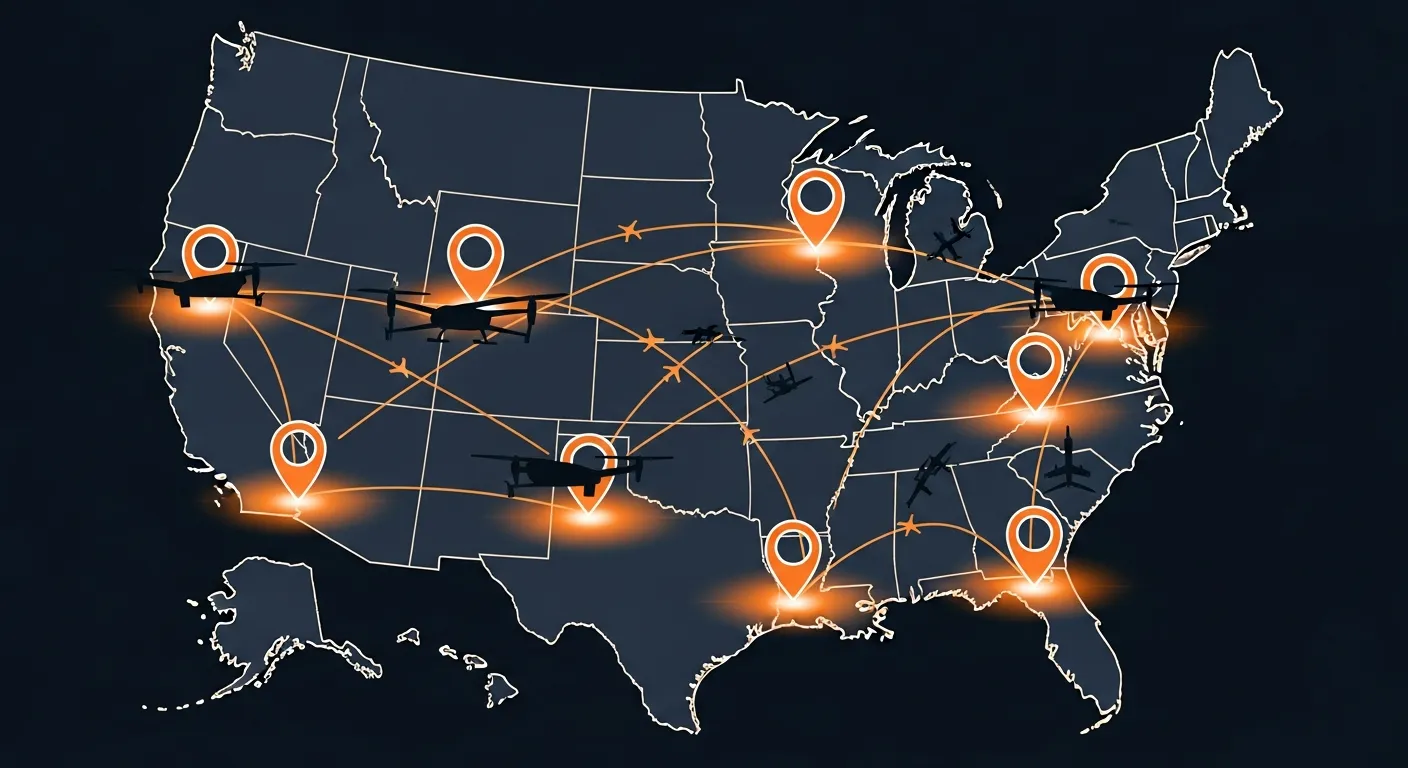
FAA Selects 8 eIPP Projects Across 26 States: US Air Taxi Demo Flights Coming Summer 2026
The FAA announced its Electric Innovative Propulsion Program (eIPP) selections on March 9, 2026, choosing 8 demonstration projects spanning 26 states. Joby Aviation, Archer Aviation, BETA Technologies, and Wisk Aero are among the participants, with demo flights beginning as early as summer 2026.
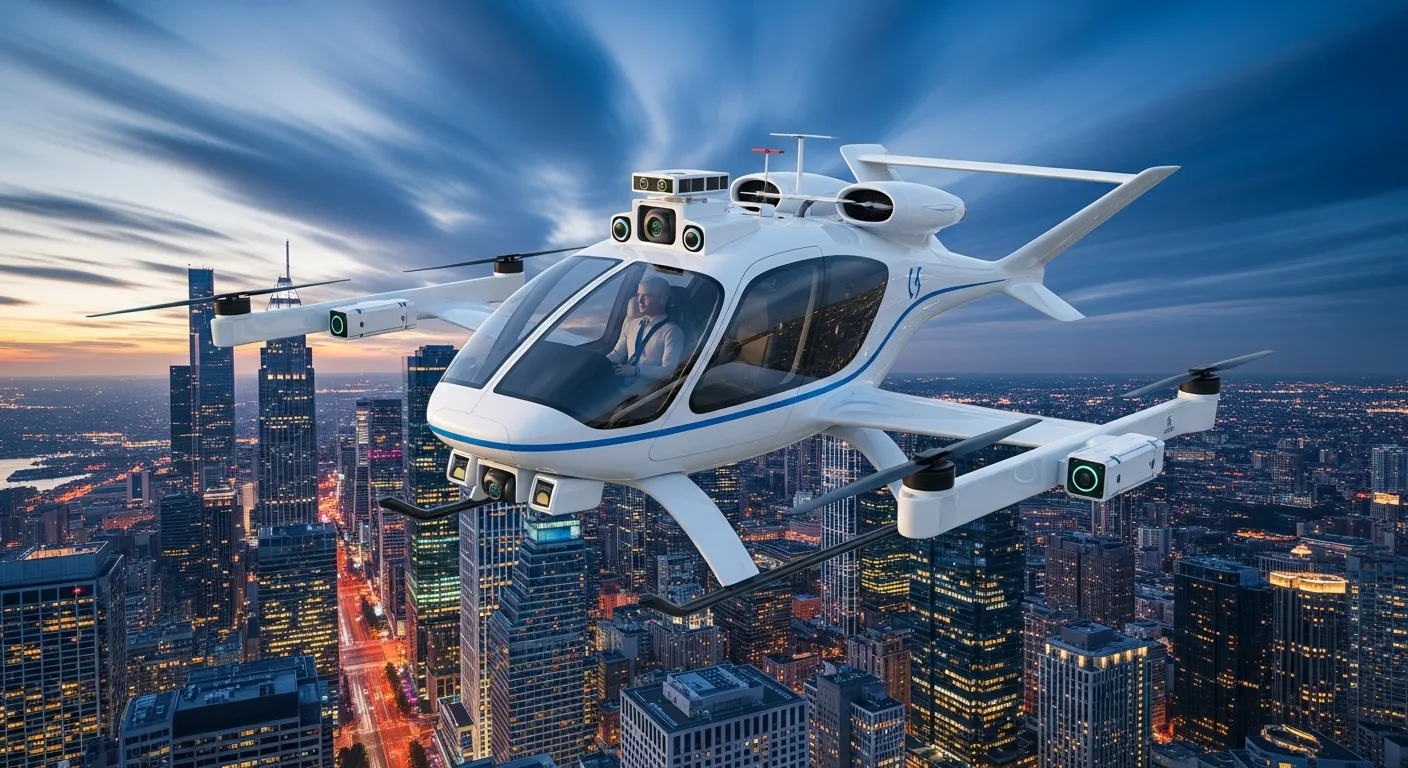
Wisk Aero's Gen 6 Autonomous Air Taxi Approaches Transition Flight
Boeing-backed Wisk Aero completed its Gen 6 autonomous air taxi's first flight in December 2024 and is now approaching the critical transition flight milestone, expected within six months. A second Gen 6 aircraft is slated to fly later in 2026.
eVTOL News July 2026: Joby's Toyota JV and Virgin Atlantic Deal, Vertical Slips to 2029, and the World Cup Verdict
July 2026 was the month the eVTOL industry's post-type-certificate era took shape. Joby — fresh off its June FAA type certificate — formed a manufacturing joint venture with Toyota and signed an exclusive UK partnership with Virgin Atlantic covering London and Manchester. Vertical Aerospace pushed VX4 certification from 2028 to 2029. BETA flew the first organ-transport relay under the FAA's eVTOL Integration Pilot Program. And the World Cup closed with the verdict we projected in April: zero commercial eVTOL flights in all 16 host cities. Here's the full roundup.
Ready to explore the future of air travel?
Discover how eVTOL technology is revolutionizing urban mobility and plan your own aerial journey.